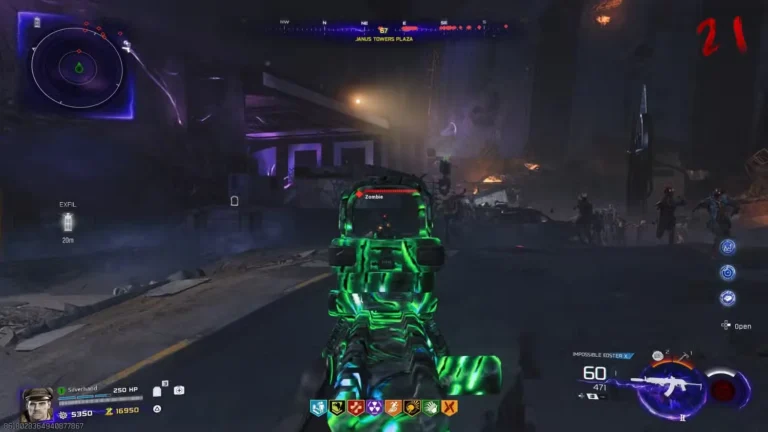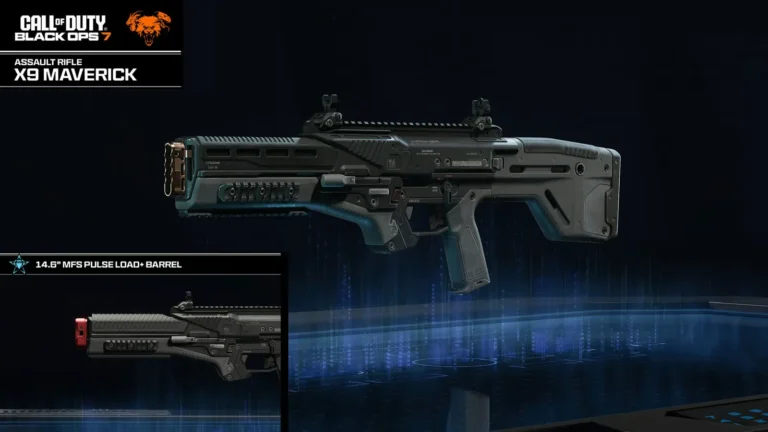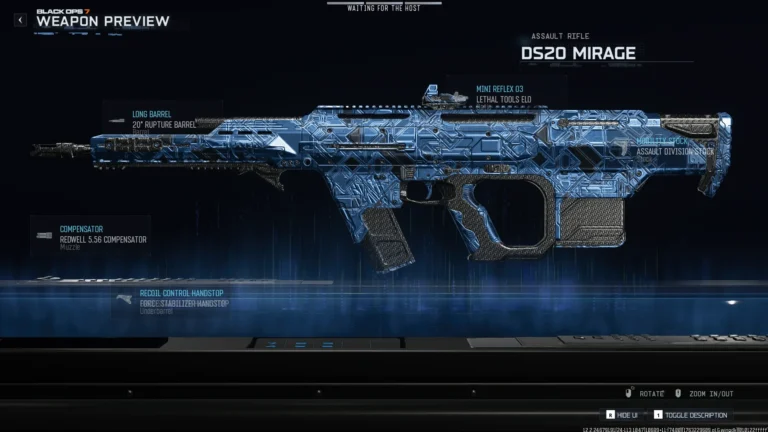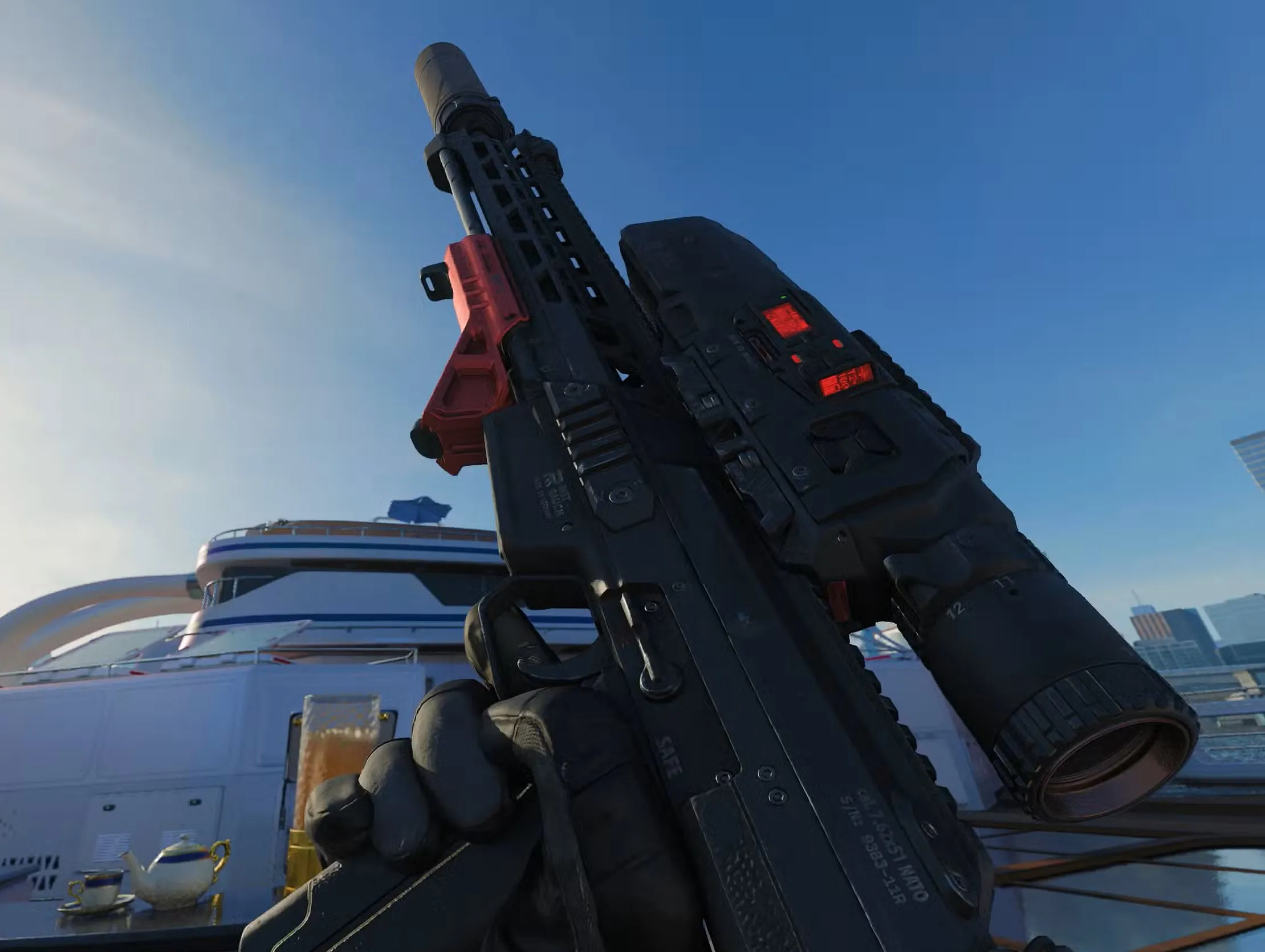
Activision is making major changes to its Call of Duty release strategy after Black Ops 7 failed to meet player expectations. In a blog post released last night, the Call of Duty development team—which includes Treyarch, Sledgehammer, Infinity Ward, and Raven Software—acknowledged that the franchise has “not met” many players’ expectations in recent years.
The biggest change? No more back-to-back Black Ops or Modern Warfare releases. This marks a significant shift for the annual Call of Duty franchise, which has relied on alternating sub-series releases for years.
What Went Wrong with Black Ops 7?
Call of Duty: Black Ops 7 launched in 2025 as the successor to Black Ops 6 (2024), but it quickly became clear something wasn’t working.
The Problems
1. Negative Player Feedback
- Reviews from critics and players were mixed to negative
- Many felt the game was too similar to Black Ops 6, lacking innovation
- Complaints about bugs, balancing issues, and stale gameplay
2. Poor Sales Reports
- Industry reports suggest Black Ops 7 underperformed commercially compared to previous entries
- The franchise’s annual release model may be contributing to franchise fatigue
3. Generative AI Controversy
- Black Ops 7 came under fire for its apparent use of generative AI in development
- US Congressman Ro Khanna responded by highlighting the need for AI regulations in the United States
Activision’s Response
In its blog post, the Call of Duty team acknowledged the shortcomings:
“With respect to Black Ops 7, we set our sights to deliver a spiritual successor to Black Ops 2 and the studios have poured their passion into making a great game that all of us are very proud of. But it’s one thing for us to say it, more importantly it’s up to you to try it and judge for yourselves.”
Translation: We know Black Ops 7 didn’t land the way we hoped.
Activision’s New Strategy: No More Back-to-Back Releases
To address player concerns, Activision is making several major changes to how it handles Call of Duty going forward.
1. No More Consecutive Black Ops or Modern Warfare Games
The big change:
- No back-to-back Black Ops releases (like Black Ops 6 → Black Ops 7)
- No back-to-back Modern Warfare releases (like Modern Warfare 2022 → Modern Warfare 3 2023)
Why this matters:
- Releasing the same sub-series two years in a row can feel repetitive and uninspired
- Giving studios more time between entries allows for bigger innovations rather than incremental updates
From the blog post: “The reasons are many, but the main one is to ensure we provide an absolutely unique experience each and every year. We will drive innovation that is meaningful, not incremental.”
2. Free Trial for Black Ops 7 Multiplayer & Zombies
To win back skeptical players, Activision is opening up Black Ops 7’s multiplayer and zombies mode for a free trial next week, complete with Double XP.
Why this matters:
- Players who’ve been on the fence can try before they buy
- Could help reverse some of the negative sentiment if the game plays better than reviews suggest
3. “Unprecedented Season Support” for Black Ops 7
The Call of Duty team committed to massive post-launch support for Black Ops 7:
“We won’t rest until the game earns its place as one of the best Black Ops games we’ve ever made.”
What this means:
- Expect more frequent updates, patches, and content drops
- Activision is treating Black Ops 7 as a redemption arc project
- Could include major gameplay overhauls based on player feedback
Why the Back-to-Back Release Model Failed
Activision’s decision to end consecutive Black Ops and Modern Warfare releases is a tacit admission that the model wasn’t working.
The Problem with Annual Releases
Call of Duty has followed an annual release schedule for nearly two decades, with different studios taking turns. But releasing the same sub-series two years in a row created specific problems:
1. Franchise Fatigue
- Players burned out on the same setting, mechanics, and style
- Black Ops 7 felt too similar to Black Ops 6, leading to “why bother?” reactions
2. Limited Innovation Time
- Studios had less time to innovate between entries
- Games felt like expansions rather than sequels
3. Competing with Themselves
- Black Ops 6 players had barely finished grinding when Black Ops 7 dropped
- Split player bases and reduced long-term engagement
What Works Better
By alternating between different sub-series (e.g., Black Ops → Modern Warfare → something new), Activision can:
- Give each studio more development time
- Ensure each release feels distinct
- Reduce player burnout
What’s Next for Call of Duty?
While Activision didn’t reveal specific plans, the blog post hinted at exciting changes on the horizon.
Future Direction
“We have been building the next era of Call of Duty, and it will deliver precisely on what you want along with some surprises that push the franchise and the genre forward.”
Possible interpretations:
- New sub-series beyond Black Ops and Modern Warfare
- Experimental gameplay modes or innovations
- Better integration between mainline games and Warzone
- Longer development cycles for higher-quality releases
When Will We Learn More?
Activision said it will share plans “when the time is right”—likely meaning summer 2026 or later.
The Generative AI Controversy
Black Ops 7’s use of generative AI became a major talking point, drawing criticism from players and even US Congress.
What Happened
- Players noticed signs that AI-generated assets were used in Black Ops 7’s development
- Concerns about job displacement for human artists and developers
- Congressman Ro Khanna responded, calling for AI regulations in the gaming industry
Why This Matters
The AI controversy added fuel to the fire of Black Ops 7’s negative reception. Players felt the game was rushed and impersonal, and the AI revelations reinforced that perception.
Activision has not directly addressed the AI controversy in its blog post, but the commitment to “meaningful innovation” suggests they’re aware of the backlash.
Can Black Ops 7 Recover?
The question now: Can “unprecedented season support” save Black Ops 7?
Historical Precedents
No Man’s Sky (2016)
- Launched to disastrous reviews
- Years of free updates transformed it into a beloved game
Cyberpunk 2077 (2020)
- Rocky launch plagued by bugs
- Extensive patches and the Phantom Liberty expansion rehabilitated its reputation
Destiny 2 (2017)
- Struggled at launch
- Years of expansions turned it into a live-service success
Black Ops 7’s Chances
Pros:
- Activision has the resources to support the game long-term
- Free trial could bring in new players
- Double XP and content updates might retain current players
Cons:
- Call of Duty’s annual release cycle means player attention shifts quickly
- Even with updates, Black Ops 7 may be overshadowed by the next entry
- Franchise fatigue is real—some players may just skip this one entirely
Verdict: Black Ops 7 could recover, but it’s an uphill battle.

What This Means for Call of Duty’s Future
The end of back-to-back Black Ops and Modern Warfare releases is a huge win for fans who’ve been asking for more variety and innovation.
Key Takeaways
✅ More time between entries = better games
✅ No more repetitive sub-series releases
✅ Commitment to meaningful innovation over incremental updates
✅ Activision is listening to player feedback (finally)
What Fans Want
Based on community feedback, here’s what Call of Duty players are hoping for:
- New settings (futuristic, historical, experimental)
- Better anti-cheat in multiplayer
- More single-player focus (campaigns matter!)
- No pay-to-win mechanics
- Stable launches without game-breaking bugs
If Activision delivers on its promises, the franchise’s “best days” could genuinely be ahead.
Final Thoughts: A Necessary Course Correction
Black Ops 7’s failure was a wake-up call for Activision. The end of back-to-back releases is a necessary course correction that should benefit the franchise long-term.
Whether this leads to genuinely innovative Call of Duty games or just more polished incremental updates remains to be seen. But at the very least, Activision is acknowledging the problem—and that’s a start.
For now, keep an eye on that free Black Ops 7 trial next week. If the game’s better than reviews suggest, it might be worth giving it a shot. If not, well, there’s always next year’s Call of Duty.
While you’re catching up on gaming news, check out the latest on PlayStation Plus December 2025 leaks featuring Assassin’s Creed Mirage and Wo Long: Fallen Dynasty.
Bottom line: Call of Duty is changing its strategy. No more back-to-back Black Ops or Modern Warfare. Let’s see if it pays off.