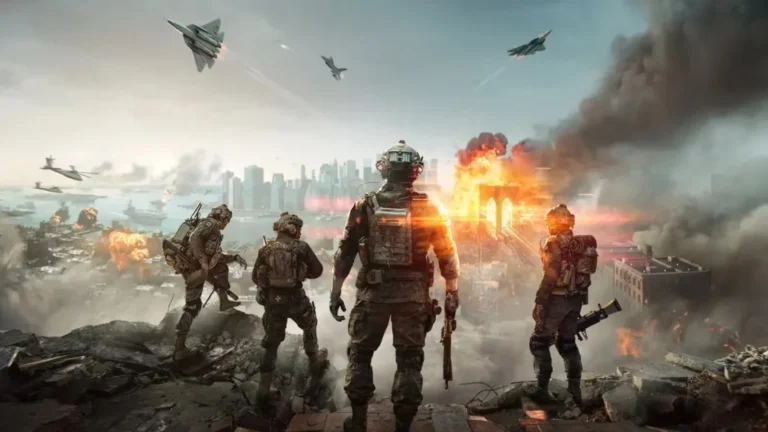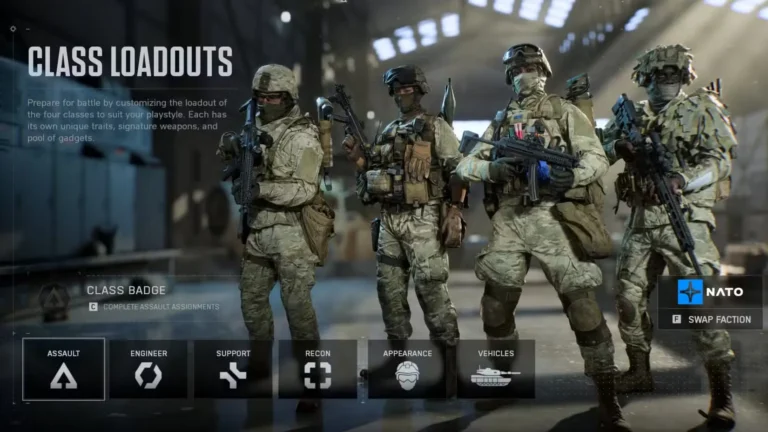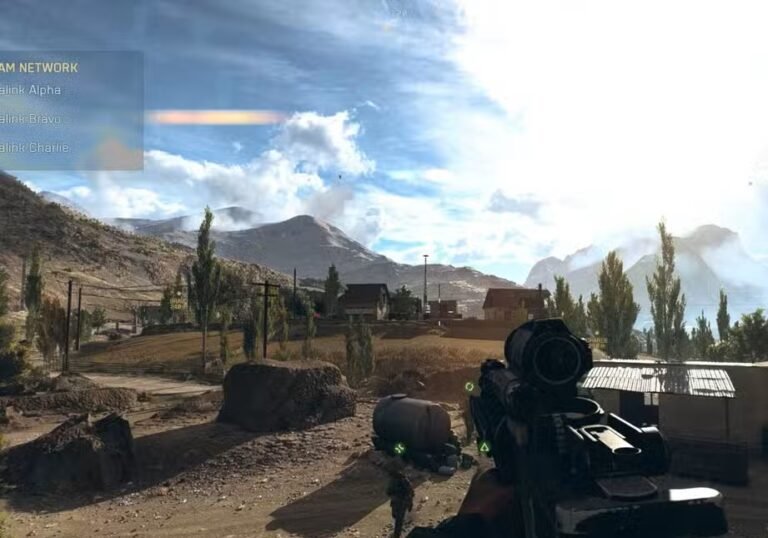
Battlefield 6‘s latest update just caused one of the most dramatic 24-hour controversies in recent franchise history. The 1.1.3.0 patch dropped on December 9 with tons of community-requested improvements—but one unannounced change sparked an instant civil war between casual players and competitive veterans. Then, just hours later, it was all reversed.
Here’s what happened, why the community is so divided, and what the right answer might actually be.
What Changed in Battlefield 6’s 1.1.3.0 Update?
The patch brought several positive improvements:
- Enhanced prone visibility
- Better damage responsiveness
- Netcode improvements
- Weapon balance adjustments
- Overhauled Rush and Breakthrough modes
But hidden beneath these welcome changes was something controversial: advanced movement mechanics were severely nerfed.
The Movement Nerfs (That Got Reverted)
When the update first launched, these movement techniques were drastically weakened:
- Bunnyhopping: Successive jumps around corners provided much less speed boost
- Slide canceling: Jumping after a slide caused massive momentum loss (like hitting a wall)
- Vault canceling: Players had to complete full vaulting animations before shooting again
The response was immediate and polarizing. Casual “Battledads” celebrated the slower, more tactical gameplay. Competitive “sweats” and streamers revolted, calling the game clunky and unresponsive.
The twist? BF Studios released a hotfix just hours later, reverting all movement changes back to pre-patch mechanics.
Why Casual Players Loved the Changes
The “Battledad” faction—typically older Battlefield veterans who prefer realistic, tactical combat—had legitimate reasons to celebrate:
Arguments for Slower Movement:
- Franchise identity: Battlefield has traditionally favored strategic positioning over twitch reflexes
- Immersion concerns: Slide canceling and bunnyhopping feel “too Call of Duty” for a military sim
- Accessibility: Many older players lack the mechanical skill to execute advanced movement tech
- Map design issues: Current small, cramped maps favor hyper-mobile playstyles unfairly
These players felt the accidental nerf finally addressed their long-standing complaints about Battlefield 6 feeling too fast-paced and arcade-like.
Why Competitive Players Hated the Changes
Streamers like Ottr immediately criticized the movement nerfs, and the competitive community agreed:
Arguments for Keeping Advanced Movement:
- Responsiveness: Removing vault canceling made gameplay feel sluggish and unresponsive
- Skill expression: Movement tech rewards practice and mechanical ability
- Series history: Battlefield has always had movement tricks (BF3 bunnyhopping, BF4 zouzou jumps)
- Modern expectations: Players expect fluid movement in 2024 shooters
Important context: Battlefield 4’s movement was actually more exploitable than BF6’s current system. In BF4, ADS sway was purely visual and bullets always went center-screen, whereas BF6’s gunfire is affected by movement penalties.
What’s the Right Answer? A Middle Ground
Here’s the reality: neither side is completely right.
Where Battledads Are Correct:
- Slight movement nerfs would feel more authentically Battlefield
- The current system does cater excessively to top-tier players and streamers
- Some small, cramped maps feel incompatible with hyper-mobility
Where Battledads Go Too Far:
Some community members are demanding extreme changes like:
- Removing ADS while jumping entirely
- Creating what streamers fear would be a “camping simulator”
- Eliminating all movement tech (which never existed in Battlefield history)
Pro tip: Check clips claiming “old Battlefield had no movement tech” carefully. Battlefield 4 had zouzou jumps abused in competitive play, and BF3’s bunnyhopping was legendary.
The Ideal Solution
Battlefield 6 needs modest adjustments, not radical overhauls:
- Slightly reduce slide and jump speed
- Keep vault canceling (removing it just feels bad)
- Maintain some skill-based movement options
- Don’t eliminate jumping ADS (it’s already penalized in BF6)
The goal should be a system that rewards skill but doesn’t demand it—accessible to casual players while still offering depth for competitive ones.
What Happens Next for Battlefield 6 Movement?
BF Studios is already investigating post-update stuttering issues, so they’re clearly monitoring community feedback. The rapid hotfix reversal suggests they’re listening to competitive voices, but the initial changes prove they’re aware of casual concerns too.
Expect future updates to:
- Test more conservative movement adjustments
- Focus on larger map design (already announced priority)
- Balance skill ceiling with accessibility
The December 9 changes were too extreme, but completely ignoring Battledad concerns isn’t sustainable either.
The Bigger Picture: Battlefield’s Identity Crisis
This controversy highlights Battlefield 6’s ongoing struggle to balance:
- Traditional tactical gameplay vs. modern fast-paced action
- Veteran expectations vs. new player acquisition
- Realism vs. competitive viability
Neither complete removal nor total preservation of advanced movement serves the franchise well. Compromise isn’t weakness—it’s smart game design.
Related: Check out other major gaming updates like Minecraft’s Mounts of Mayhem and Skyrim coming to Switch 2.
Bottom line: The Battlefield 6 movement controversy won’t be solved overnight, but the answer lies somewhere between “CoD clone” and “camping simulator.” Small, thoughtful nerfs to slide and jump effectiveness—while preserving responsiveness and skill expression—would satisfy both communities far better than the all-or-nothing approach we saw on December 9.
What side are you on? Should Battlefield 6 slow down its movement or keep the current system?