Ready to test your global geography knowledge? If you’re puzzling over today’s Globle challenge for December 23, 2025, we’ve prepared a comprehensive guide with strategic hints and the final answer to help you succeed. Whether you’re a geography enthusiast or just starting your Globle journey, this guide will help you navigate to the correct country.
What is Globle?
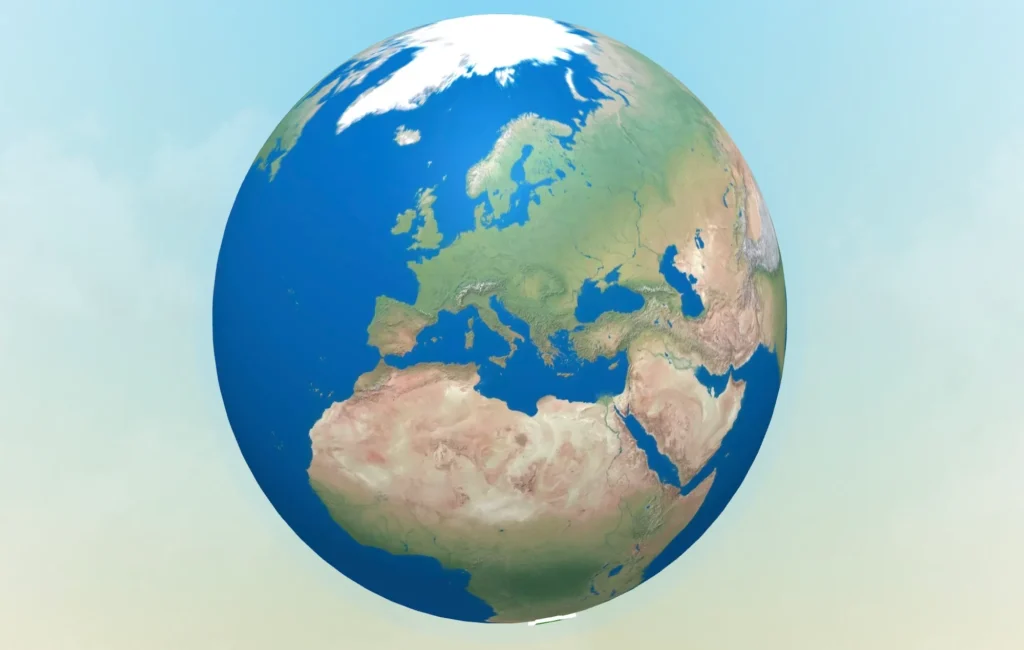
Globle is an addictive daily geography puzzle game that challenges players to identify a mystery country using a unique color-coded feedback system. Unlike traditional geography quizzes, Globle uses shades of color to indicate how close your guess is to the target country. The game has captured the attention of geography buffs worldwide, offering a fresh puzzle every day.
How to Play Globle
The mechanics are elegantly simple yet surprisingly challenging. You start by guessing any country on the interactive globe. After each guess, the country you selected will be shaded in a color that indicates your proximity to the mystery country. The warmer the color (moving from white to yellow to orange to red), the closer you are to the answer. Cold colors like white or light beige mean you’re far away, while hot red indicates you’re very close or in the correct region.
There’s no limit to the number of guesses you can make, but the challenge lies in identifying the country in as few attempts as possible. Strategic thinking about geography, regions, and neighboring countries becomes crucial as you narrow down the possibilities.
Globle Hints for December 23, 2025
Before we reveal today’s answer, let’s work through a series of strategic hints that will guide you toward the solution without immediately giving it away.
Hint 1: Continental Location
Today’s mystery country is located in Asia, specifically in the Southeast Asian region. This area is known for its diverse cultures, tropical climates, and rich maritime history.
Hint 2: Geography Type
This is an archipelagic country, meaning it consists of thousands of islands rather than one continuous landmass. It’s one of the largest archipelagos in the world by both area and population.
Hint 3: Oceanic Borders
The country is surrounded by several major bodies of water. The Pacific Ocean lies to the east, while the South China Sea borders it to the west. It serves as a crucial maritime crossroads in Southeast Asia.
Hint 4: Historical Context
This nation has a complex colonial history, having been under Spanish rule for over three centuries, followed by American control in the early 20th century. It gained full independence after World War II.
Hint 5: Cultural Identity
The country is predominantly Catholic, making it unique in the region where most countries follow Buddhism or Islam. Its culture represents a fascinating blend of Asian, Spanish, and American influences.
Hint 6: Economic Profile
This country has emerged as one of Southeast Asia’s growing economies, with a population exceeding 100 million people. Its capital city is a sprawling metropolis known for both modern development and historic Spanish colonial architecture.
Hint 7: Geographic Neighbors
If you’ve been getting warmer colors, you’re likely in the Southeast Asian region. The mystery country is near Malaysia, Indonesia, Vietnam, and other regional neighbors. It’s positioned between the Asian mainland and the Pacific Ocean.
Strategic Tips for Playing Globle
Improving your Globle skills requires both geographical knowledge and strategic thinking. Here are some approaches to help you solve puzzles more efficiently:
Start with continental guesses. Begin by identifying which continent the mystery country is on. Guess countries from different continents (Africa, Asia, Europe, Americas, Oceania) to quickly narrow down the general location.
Use regional knowledge. Once you know the continent, think about major regions. Is it Southeast Asia or Central Asia? Northern Europe or Southern Europe? This helps you zero in faster.
Consider neighboring countries. When you get a hot color, look at all the surrounding countries. The answer is likely one of those immediate neighbors.
Think about geography types. Pay attention to whether you’re looking for an island nation, a landlocked country, or a coastal state. This can eliminate many possibilities quickly.
Learn from patterns. Globle often features countries of varying sizes and recognition levels. Don’t always assume it’s a well-known nation; sometimes smaller or less frequently discussed countries are selected.
The Answer to Globle December 23, 2025
If you’ve exhausted your strategic guessing or simply want to confirm your answer, here’s today’s solution:
The answer is: Philippines
The Philippines, officially the Republic of the Philippines, is the mystery country for December 23, 2025. This Southeast Asian nation consists of more than 7,600 islands, making it one of the world’s most extensive archipelagos.
About the Philippines
The Philippines occupies a unique position both geographically and culturally in Southeast Asia. Located in the western Pacific Ocean, it sits at the crossroads of major sea routes, which has shaped its history, culture, and economy for centuries.
Geography and Location
The Philippine archipelago stretches approximately 1,850 kilometers from north to south. The three main geographical divisions are Luzon, Visayas, and Mindanao. Luzon in the north is the largest island and home to Manila, the capital city. The Visayas in the center consists of several major islands including Cebu, Bohol, and Panay. Mindanao in the south is the second-largest island.
The country’s strategic location has made it vulnerable to natural disasters, particularly typhoons and earthquakes, as it sits along the Pacific Ring of Fire. Despite these challenges, the diverse geography features stunning beaches, rice terraces, volcanic mountains, and rich marine biodiversity.
Historical Significance
The Philippines has one of the most fascinating colonial histories in Asia. Spanish explorer Ferdinand Magellan arrived in 1521, marking the beginning of Spanish influence that would last until 1898. This extended period of Spanish rule deeply influenced Philippine culture, language, religion, and architecture.
After the Spanish-American War, the Philippines came under American control from 1898 to 1946, with a brief but brutal Japanese occupation during World War II. The country gained full independence on July 4, 1946, though this was later changed to June 12 to commemorate the declaration of independence from Spain.
Cultural Diversity
The Philippines is home to over 110 million people, making it the world’s 13th most populous country. The population speaks more than 180 languages and dialects, though Filipino (based on Tagalog) and English serve as official languages.
What makes the Philippines truly unique in Southeast Asia is its predominant Catholic faith, a lasting legacy of Spanish colonization. Approximately 80% of the population identifies as Roman Catholic, making it the largest Catholic country in Asia and one of the largest in the world.
Economic Development
The Philippine economy has grown significantly in recent decades, driven by services, manufacturing, and agriculture. The country is known for its Business Process Outsourcing (BPO) industry, particularly call centers, which employ millions of Filipinos. Overseas Filipino Workers (OFWs) also contribute significantly to the economy through remittances.
Tourism plays an increasingly important role, with destinations like Boracay, Palawan, and Siargao attracting visitors worldwide. The country’s natural beauty, friendly people, and affordable prices make it a popular destination for travelers.
Why Today’s Globle Was Challenging
The Philippines can be tricky to identify for several reasons. While it’s a significant country by population and area, it might not come to mind as quickly as other Asian nations like China, Japan, or India for players less familiar with Southeast Asian geography.
Additionally, its archipelagic nature means it doesn’t have the clear, recognizable shape of countries like Italy or Chile. The scattered islands can make it harder to visualize compared to countries with more defined borders.
However, if you approached the puzzle strategically by identifying Asia first, then narrowing down to Southeast Asia, the Philippines should have emerged as a strong candidate, especially when considering island nations in the region.
More Daily Puzzles to Challenge Yourself
If you enjoyed today’s geography challenge and want to test your skills across different puzzle types, explore these other daily games:
- Wordle 1648 for December 23, 2025 – guess the five-letter word with strategic letter placement
- Bandle for December 23, 2025 – identify songs from isolated instrument tracks
- Quordle for December 23, 2025 – solve four words at once for a multi-dimensional challenge
- NYT Strands for December 23, 2025 – find themed words hidden in a letter puzzle
- Worldle for December 23, 2025 – guess countries by their geographic outlines
Interesting Facts About the Philippines
To deepen your appreciation for today’s answer, here are some fascinating facts about the Philippines:
Island Paradise: With over 7,600 islands, only about 2,000 are inhabited. This gives the country one of the longest coastlines in the world.
Biodiversity Hotspot: The Philippines ranks among the world’s most biodiverse countries, home to numerous endemic species found nowhere else on Earth.
Jeepney Culture: The colorful jeepneys, originally made from surplus American military jeeps after World War II, have become an iconic symbol of Philippine culture and transportation.
Texting Capital: The Philippines has been called the “text messaging capital of the world,” with Filipinos sending millions of text messages daily.
Rice Terraces: The Banaue Rice Terraces, carved into mountains over 2,000 years ago, are often called the “Eighth Wonder of the World.”
Improving Your Geography Knowledge
Want to become better at Globle and geography in general? Here are some effective learning strategies:
Study maps regularly. Spend time looking at world maps, focusing on different regions each week. Pay attention to country locations, sizes, and relationships to neighbors.
Learn regional groupings. Understanding regions like Southeast Asia, the Balkans, or Central America helps you categorize countries mentally.
Follow international news. Current events help you remember countries and their locations. When a country appears in the news, look it up on a map.
Use geography apps and games. Besides Globle, explore other geography games and quiz apps that test your knowledge from different angles.
Connect geography with other interests. Whether it’s sports, food, or history, linking geography to topics you already enjoy makes learning more engaging.
Conclusion
Today’s Globle for December 23, 2025, challenged players to identify the Philippines, a fascinating archipelagic nation in Southeast Asia with a rich cultural heritage and complex history. Whether you solved it quickly or needed several hints, we hope you learned something new about this vibrant country.
Globle offers a fresh geography challenge every day, helping players expand their knowledge of our diverse world. Come back tomorrow for a new mystery country and another opportunity to test your geographical expertise. Keep exploring, keep learning, and enjoy your journey around the globe!
Share your results with friends, challenge them to beat your guess count, and continue building your understanding of our planet’s incredible diversity. Happy globe-trotting!