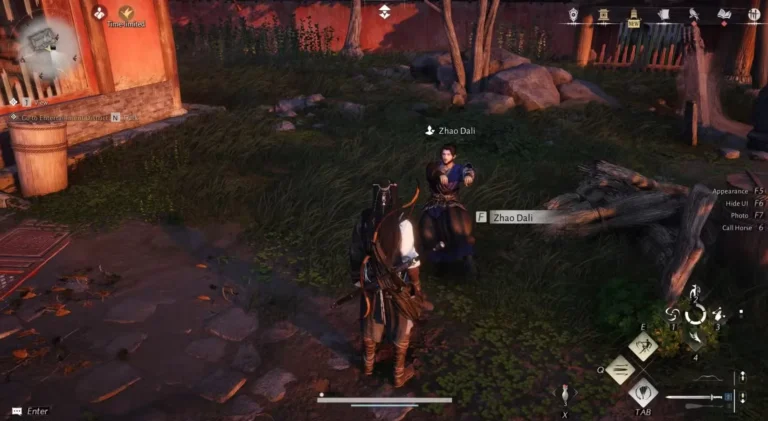
The series takes a bold new direction by ditching the mission-based structure for a fully explorable open world. While these zones aren’t massive by typical RPG standards, they’re packed with valuable upgrades, collectibles, and gear that’ll make the difference between victory and a swift death when facing yokai bosses.
Running straight toward the main quest marker might seem tempting, but you’ll get demolished without proper preparation. This guide covers the essential activities and items you should prioritize before tackling the major story objectives.
Essential Settings to Change Immediately
Before you even leave the tutorial area, open your System Menu and adjust these settings that Nioh 3 buries in sub-menus but dramatically improve your experience.
Enable Auto-Pickup (System → Game Settings → Page 5) This is the single most important quality-of-life change you can make. Without it, you have to manually press a button to pick up every item that drops — every rock, arrow, and piece of vendor trash. Considering the sheer volume of loot enemies drop in Nioh 3, your interact button will get a serious workout without this enabled. Turn it on and let your inventory fill itself as you walk over drops.
Separate Style Shift and Burst Break (System → Controls) By default, pressing the Burst Break button also switches your combat style between Samurai and Ninja. This causes accidental style switches during intense fights. Go to System → Controls and enable Style Shift & Burst Break Separation so each action has its own dedicated input.
Increase Item Shortcut Sets (System → Menu Settings → Page 2) You start with only two shortcut sets (eight slots total) for consumables and spells. Bump this to three or four sets once you start accumulating Ninjutsu techniques and Onmyo Magic. A useful trick: place your Elixir in the top slot of every set so you never have to cycle back to healing.
Enable Damage Display (System → Game Settings) Turn on Damage Display and set Self Damage Display to large text. This helps you understand your actual damage output and distinguish your numbers from ally damage during co-op.
Set Compass to Always Point North (System → Game Settings) Reduces confusion during open-world exploration by keeping cardinal directions consistent on your compass.

Where to Go First After the Tutorial
Setting the Scene: Hamamatsu Castle Outskirts
Once you’ve cleared the tutorial and escaped Hitokoto Slope, you’ll arrive at the outskirts of Hamamatsu Castle. The atmosphere immediately sets the tone—an otherworldly monster looms against crimson skies while yokai patrol the roads freely. That giant bone creature hovering in the distance marks your eventual destination, but charging there immediately is basically suicide.
Complete these activities first to drastically improve your survival odds. Each one provides tangible benefits that stack together, transforming you from fragile newcomer into a capable warrior.
Understanding Samurai and Ninja Styles
Nioh 3’s biggest new feature is the dual combat style system. You can switch between Samurai and Ninja mid-fight by pressing the style switch button, and mastering both is essential for survival. They are not separate “classes” — think of them as two halves of one combat system.
Samurai Style focuses on raw power, blocking, and Ki management. You have access to three stances (High, Mid, and Low), Deflect for timed parries that restore Ki, and the signature Ki Pulse mechanic. Samurai weapons include Swords, Dual Swords, Spears, Axes, Odachi, Switchglaives, and Cestus. High Stance deals massive damage but drains Ki fast, Low Stance emphasizes speed and evasion, and Mid Stance balances both.
Ninja Style trades stances and Ki Pulse for speed and aerial mobility. Instead of Ki Pulse, you use Mist — a decoy dash after attacking that lets you reposition without spending Ki. Ninja weapons include Ninja Swords, Dual Ninja Swords, Kusarigama, Tonfa, Hatchets, Splitstaves, and Talons. Ninja deals less frontal damage but excels at backstabs (double damage from behind) and hit-and-run tactics.
The Core Loop: Start fights in Ninja to chip away at enemy Ki with fast attacks, then switch to Samurai High Stance for devastating finishing blows when the enemy staggers. Low on Ki? Switch to Samurai and Ki Pulse to recover. Need to dodge a boss combo? Switch to Ninja for Mist and Evade.
Important: You only start with Mid Stance. High Stance and Low Stance must be purchased from the Samurai Martial Arts skill tree using Samurai Locks. Prioritize unlocking these before any flashy combo moves — you cannot properly play Samurai without all three stances.
Unlock These Combat Skills First
Your first Samurai Locks and Ninja Locks should go toward these fundamental combat abilities, not weapon combo moves.
Deflect (Samurai Skill Tree) — Turns your block into a timed parry that negates damage, restores Ki, and builds your Arts Gauge. Without Deflect, blocking simply drains your Ki. With it, skilled timing makes you nearly untouchable. This is the Samurai style’s core defensive tool.
Evade (Ninja Skill Tree) — Gives you a “perfect dodge” with generous invincibility frames. Successfully timing an Evade before an enemy attack recovers Ki and builds both your Ninjutsu and Arts gauges. Without this, Ninja dodging is serviceable but unremarkable. With it, combat transforms completely.
High Stance and Low Stance (Samurai Martial Arts Tree) — You start locked into Mid Stance only. High Stance is the only way to deal serious damage to bosses, and Low Stance is essential for dodging fast enemies. These should be your very first Samurai Lock purchases.
Flux (Samurai Skill Tree, 1 point) — Allows you to recover extra Ki by switching stances during a Ki Pulse. Once this becomes muscle memory, you can chain long combos without running dry on stamina. Flux II (costs more) adds even more Ki recovery with double stance switches.
Nioh 3 Scampuss Locations and Rewards
Chase Every Cat-Like Yokai You See
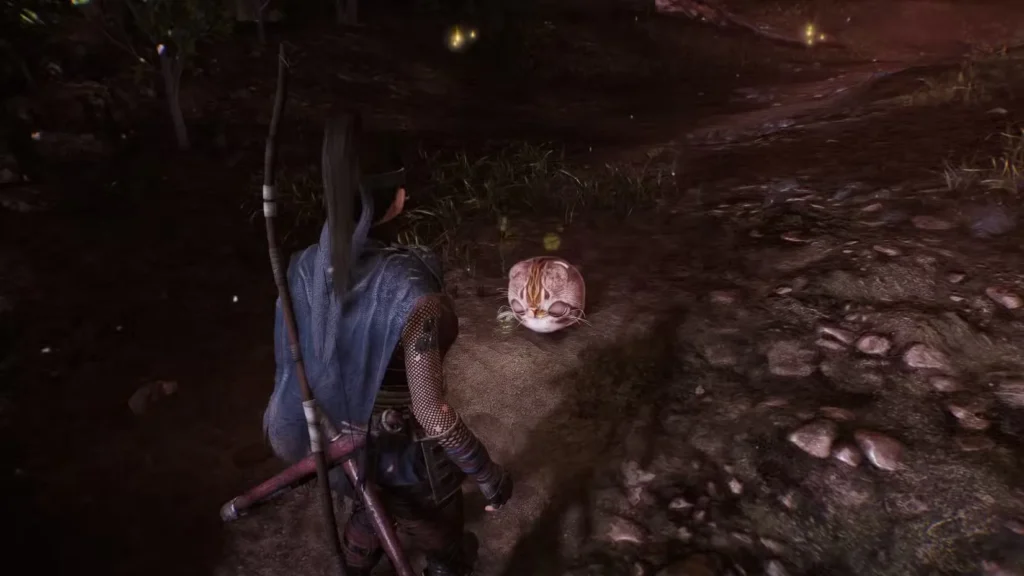
Scampusses are round, cat-shaped yokai that sleep in various locations throughout the wilderness. Wake one up and it’ll take off running—chase it down until it stops and lets you pet it. Your reward? Either Samurai or Ninja Locks, which are essential for unlocking new skills.
Pay attention to the routes these creatures take while you’re chasing them. They deliberately lead you past valuable loot and interactable objects that you might otherwise miss. Think of them as furry treasure guides.
Some Scampusses provide even better rewards—certain ones grant entirely new skills or transform existing abilities into upgraded versions. These special encounters are worth seeking out specifically. Check our detailed guide on using Samurai and Ninja Locks for more information on skill unlocks.
Nioh 3 Chijiko Yokai Hunting Guide
Shoot Down Floating Ferret Yokai
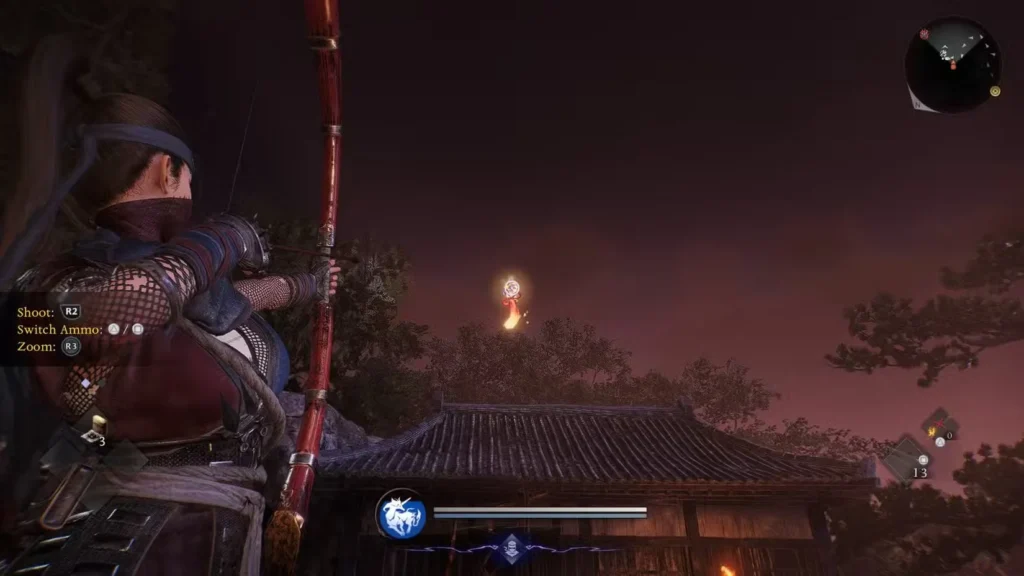
Chijiko are ferret-like yokai that float around as glowing handballs, practically begging to be used for target practice. Hit one with a ranged attack and it’ll drop to the ground beside you. Like Scampusses, Chijiko reward you with Samurai or Ninja Locks, giving you more skill points to allocate.
Some Chijiko also grant bonus skills or ability upgrades, making them doubly worth hunting. Keep your eyes on the sky—these creatures stand out against most backgrounds, making them relatively easy to spot once you know what to look for.
You’ll often find Chijiko floating above houses or near enemy bases. That house containing the Armor Piercer skill (more on that below) has one hovering right above it.
Nioh 3 Kodama Locations and Elixir Upgrades
Guide Lost Spirits to Power Up Healing
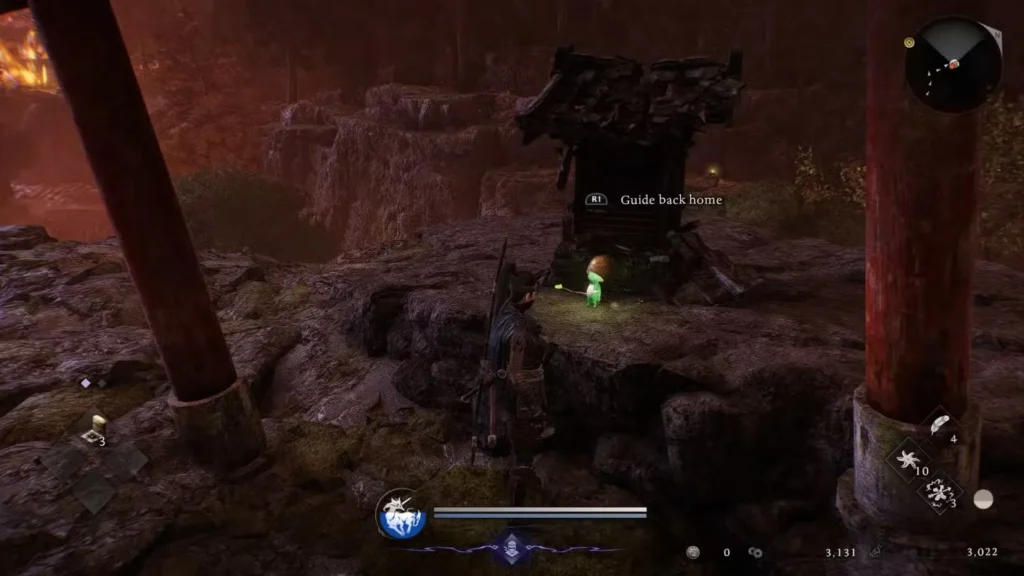
Kodama are tiny spirits that congregate around Shrines when guided properly. Finding Lost Kodama scattered throughout the world and leading them back to Shrines earns you Kodama Blessing points. These points unlock crucial Elixir upgrades:
- Enhanced healing power per Elixir use
- Increased drop rates for Elixirs from enemies
- Temporary damage boost after drinking an Elixir
- Temporary damage reduction after drinking an Elixir
Each upgrade tier requires more Kodama than the last, so start collecting them immediately. The healing improvements alone make early boss fights significantly easier. Since Elixirs are your primary healing resource (similar to Estus Flasks in other games), maximizing their effectiveness pays dividends throughout your entire playthrough.
Nioh 3 Jizo Statue Benefits
Pray for Life Corrosion Protection
Jizo Statues function similarly to Kodama, except they’re actual statues rather than yokai spirits. Praying at these statues grants Jizo Blessing points, which you spend on upgrades related to Life Corrosion and Crucible realms.
Life Corrosion is brutal—it permanently reduces your maximum health until removed. Jizo blessings provide tools to manage this debuff more effectively, reducing its impact and making Crucible exploration less punishing. Given how frequently you’ll encounter Life Corrosion during your adventure, these upgrades become essential rather than optional.
Nioh 3 Best Early Game Loot Sources
Target Enemy Bases and Lesser Crucibles
Need better gear quickly? Focus on two primary loot sources:
Enemy Bases contain concentrated groups of enemies and usually feature a mini-boss or leader. Clearing these bases rewards you with equipment drops from all the defeated enemies plus bonus loot from chests.
Lesser Crucibles are mini-dungeons filled with yokai and environmental hazards. Completing one triggers a loot explosion, showering you with weapons, armor, and consumables.
Lesser Crucibles offer a unique advantage—they can drop weapons with Crucible Arts attached. These powerful skills can’t be obtained anywhere else in the game. When you max out Familiarity with a Crucible Art weapon, you unlock that Art for all weapons of the same type. This makes Crucible farming incredibly worthwhile for build diversity.
Once you’ve got decent gear, head to the blacksmith to upgrade your weapons for even better performance.
Gear Management: Dismantle, Don’t Sell
Nioh 3 showers you in loot. Your inventory cap is 2,000 items, and it fills up faster than you expect. How you handle excess gear matters significantly for progression.
Dismantle junk gear at the Blacksmith — do not sell it for gold. Gold is nearly useless in the early game. Dismantling gives you Soul Ores and crafting materials you will need later for forging and upgrading weapons. If a piece of gear is 20-30 levels below your current equipment, it is safe to dismantle.
Use Auto-Equip until mid-game. Press R3 (controller) or 4 (keyboard) in the Equipment screen to auto-equip the highest Attack weapon of your current type and highest Defense armor for your preferred Agility rating. This saves constant manual comparisons. Agility matters: aim for at least B rating (30-70% equip load) for balanced Ki recovery and dodge distance.
Offer max-Familiarity gear at Shrines for bonus Amrita. If a weapon has reached full Familiarity before you dismantle it, offer it at a Shrine instead for a substantial Amrita bonus. This is especially worthwhile for Crucible weapons after you have already unlocked their Crucible Art.
Auto-Dispose (later game). Once you are comfortable with the loot system, go to Game Settings → Page 6 to set up auto-disposal of low-rarity items. You can choose to auto-dismantle, auto-sell, or auto-offer items of specific rarities. Skip this for now until you understand which gear matters.
Nioh 3 Exploration Level System Explained
Reveal Hidden Items Through Exploration
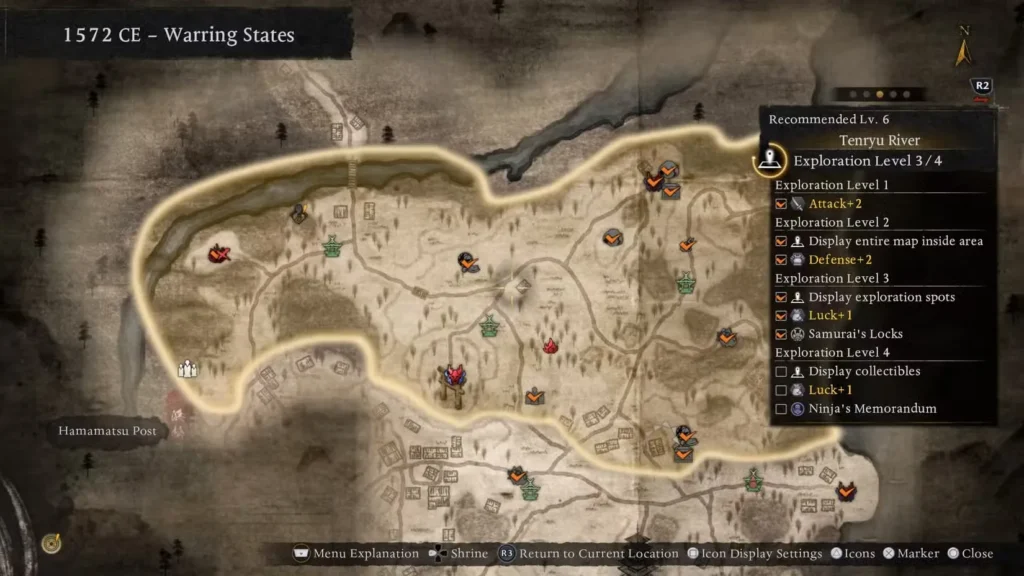
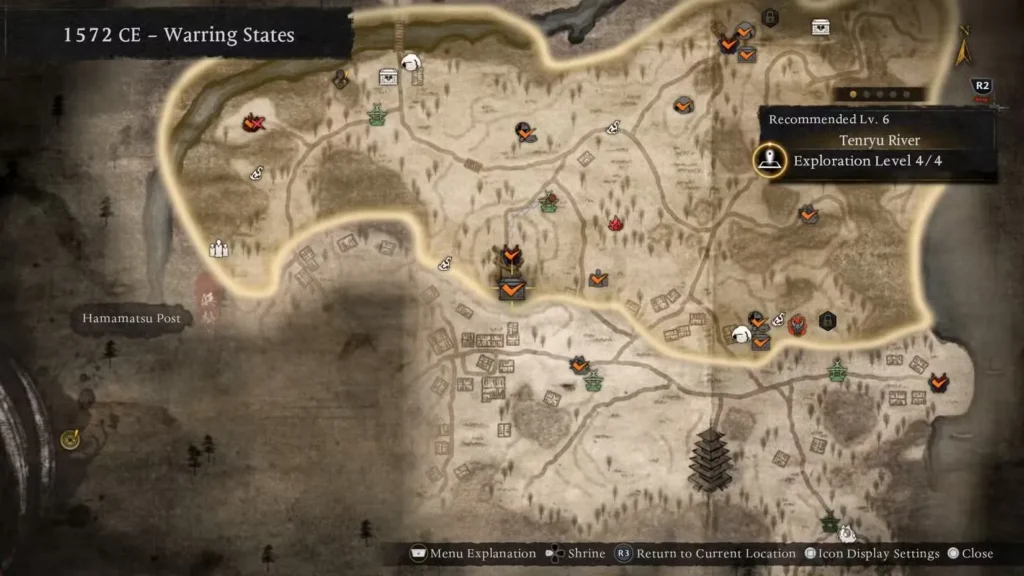
Every activity you complete within a region’s boundaries increases your Exploration Level for that area. As this level rises, more items, collectibles, and points of interest become visible on your map automatically.
This creates a positive feedback loop—exploring reveals more things to explore, which raises your Exploration Level further, which reveals even more secrets. Prioritize pushing your Exploration Level up early in each new region to maximize your map awareness from the start.
Stat Allocation for Beginners
Nioh 3 has seven stats you can level using Amrita at Shrines: Constitution, Heart, Stamina, Strength, Skill, Intellect, and Magic.
Early game priority: Heart and Stamina. Heart increases your Ki (stamina) pool, letting you attack and dodge more before running dry. Stamina increases your equip load, letting you wear heavier armor without tanking your Agility rating. Together, these keep you alive while you learn combat mechanics.
Then level your weapon’s scaling stats. Every weapon type scales with three stats equally — there is no “S scaling” or “B scaling” like in other soulslikes. Check your weapon’s Reference Stats in the equipment menu and invest in whichever of those three you prefer.
Do not stress about “wrong” choices. You can respec all stats at any Shrine for free, with no penalty, at any time. Experiment freely. This also applies to skill points, blessings, and other progression systems — everything is resettable.
Constitution is worth a few early points as well, since it directly increases your maximum HP and makes you harder to one-shot by bosses.
Nioh 3 Essential Early Game Skills to Collect
Three Must-Have Skills Near Starting Areas
Increased Elixir Healing (Panacea Curefast)
Location: Enemy base directly south of Hojo Shrine
This skill boosts Elixir healing by 15% and stacks with Kodama blessing bonuses. To claim it:
- Clear the enemy base completely
- Defeat the bandit chief to get the storehouse key
- Unlock the storehouse and grab the skill
The healing boost makes a noticeable difference immediately, especially when combined with Kodama upgrades.
Bonus Amrita Gained (Vital Spirit)

Location: Small enemy base north of Prospect Hill Shrine (the first Shrine in the region)
Look for the archer standing on wooden scaffolding—there’s a chest beside him containing Vital Spirit. This skill increases Amrita gained from enemy kills by 4%. While 4% sounds minimal, it compounds quickly over hundreds of enemy kills, letting you level up noticeably faster.
This base also contains a Lost Kodama, making it doubly worth clearing.
Armor Piercer (Ninja Passive)
Location: Small village between Ikeda Ferry and Tokaido Shrines
This Ninja passive increases Final Blow and Grapple damage by 10%. To obtain it:
- Head to the village and locate the house on the hill
- Defeat the Yamainu in the village center to get the door key
- Unlock the house and claim the skill
There’s also a Chijiko floating directly above this house—grab both rewards while you’re there.
Running Water (Samurai Skill)
Location: Hidden chest inside the Hamamatsu Castle Crucible (the large Crucible in Warring States, unlocked during the main story)
This skill lets you perform a Ki Pulse simply by dodging — a game-changer for Samurai combat. Instead of stopping to manually pulse after every combo, you recover Ki naturally while evading attacks. It only costs 2 Skill Capacity points, making it easy to fit into any build.
To find it: From the first Bodhisattva Statue in the Warring States Crucible, run up the bridge. Drop left past the houses, run left past the Jailer Oni, and go right into the building ahead of the lava platform. Look for the large red chest.
Supreme Parry (Common Skill)
Location: Purchase from the Sudama merchant near the Hamamatsu Castle Crucible entrance (costs 2 Yokai Teardrops, obtained from Kappa enemies)
Supreme Parry recovers 150 Life every time you perform a successful Burst Break. In the early game when your health pool is still low, this equates to roughly 10% of your HP restored on each Burst Break — potentially saving you an Elixir every few encounters. Since it is a Common Skill, it works in both Samurai and Ninja styles.
Pair it with Enduring Destruction (also from the Sudama merchant) for a damage boost on Burst Breaks as well.
Nioh 3 Amrita and Crucible Weapon Farming
Efficient Late-Tutorial Farming Route

Once you’ve entered the major Crucible inside Hamamatsu Castle, you unlock the best early-game farming location. The Crucible contains strong enemies that drop substantial Amrita and have decent chances of dropping Crucible weapons.
Push through the ruined castle town until you reach the Jakotsu-Baba boss room. Once you’ve found it (you don’t need to fight the boss yet), you’ve established your farming route. Simply run through this area repeatedly, clearing enemies as you go.
Maximizing Amrita Gains
The Ippon Datara enemy near one of the Statues makes for particularly efficient farming if you’re confident in your combat skills. For excess weapons and armor:
- Offer items with full Familiarity to Shrines for maximum Amrita returns
- Disassemble unwanted gear for crafting materials
- Use materials at the blacksmith to forge better equipment
Once you unlock the Blacksmith at the Eternal Rift, you can convert your stockpiled materials into actual gear upgrades. This makes farming runs doubly efficient—you’re gaining levels through Amrita while simultaneously collecting materials for equipment improvements.
Getting Help: Co-op and AI Companions
If a boss or area has you stuck, Nioh 3 offers multiple ways to get assistance without any stigma attached.
Benevolent Graves (Blue Graves) are scattered throughout the world. Spend an Ochoko Cup at one to summon an AI-controlled Acolyte that fights alongside you. These AI companions are surprisingly capable and can distract bosses while you heal or reposition.
Ochoko Cups are earned by defeating Revenants at Bloody Graves (red graves). Revenants are AI versions of other players who died at that spot. They are tough but drop excellent gear and one or more Ochoko Cups. Do not farm too many Revenants in one area, though — killing enough of them triggers a Bloodedge Demon, an extremely powerful enemy that can be harder than the area boss.
Full Co-op can be activated at any Shrine. You can play through entire regions with a friend or summon random players for boss fights. Check out our co-op guide for full details on how matchmaking works.
Quick-Change Scrolls are consumable items that give you a second chance when you die — you revive in mid-air instead of returning to the last Shrine. Always carry a few during boss fights. They are essentially a free extra life.
Don’t forget you can adjust your character’s appearance at the Eternal Rift too, if you want to change your look before diving into serious combat.
For additional guidance, check our beginner tips and tricks guide to complement these early-game priorities.
Visit the official Nioh 3 website for news and updates, or purchase the game through PlayStation Store or Steam.
Battle Scrolls and the Titles System
Two progression systems that are easy to overlook but provide meaningful benefits.
Battle Scrolls are optional missions you access from any Shrine. They function like traditional Nioh levels — self-contained dungeons with unique enemy encounters and rewards. If you are stuck on main story progression, Battle Scrolls are an excellent way to farm Amrita, level up, and practice combat in a lower-stakes environment. Some also provide exclusive rewards you cannot find in the open world.
The Titles System passively tracks everything you do — fighting, exploring, earning gold, collecting loot, discovering points of interest. Each milestone unlocks a Title that awards points you can spend on permanent passive buffs. These buffs include increased gold acquisition, higher Martial Art damage, better item drop rates, and more. Individually the bonuses are small percentage increases, but they compound over the course of a full playthrough into significant power. Check your Titles menu periodically at Shrines to claim and spend accumulated points.
Frequently Asked Questions
What should I prioritize first in Nioh 3’s open world?
Focus on finding Scampusses and Chijiko to unlock skills through Samurai and Ninja Locks. Then locate Lost Kodama to upgrade your Elixirs, which dramatically improves survivability. Finally, clear enemy bases and Lesser Crucibles for better gear. These activities prepare you for the challenging main story encounters waiting ahead.
Where do I find the best early game skills in Nioh 3?
Three essential skills are easy to grab: Panacea Curefast (15% Elixir healing) at the enemy base south of Hojo Shrine, Vital Spirit (4% bonus Amrita) at the base north of Prospect Hill Shrine, and Armor Piercer (10% Final Blow damage) in the village between Ikeda Ferry and Tokaido Shrines. Collect all three before tackling major story missions.
How does the Exploration Level system work in Nioh 3?
Exploration Level increases as you complete activities within a specific region—finding collectibles, defeating enemies, clearing bases, etc. Higher Exploration Levels reveal more items and points of interest on your map automatically, making it easier to find remaining secrets. Push this level up early to maximize your map awareness throughout each area.
What’s the best way to farm Amrita and Crucible weapons early in Nioh 3?
Enter the major Crucible inside Hamamatsu Castle and fight through to the Jakotsu-Baba boss room. Once located, repeatedly farm this route, focusing on the Ippon Datara enemy near the Statues. Enemies here drop solid Amrita and have good chances for Crucible weapons. Offer excess gear with full Familiarity to Shrines for maximum Amrita returns.
Can I respec my stats in Nioh 3?
Yes. You can reset all stats, skill points, and blessings at any Shrine completely free of charge, with no penalty. There is no limit on how often you respec, so experiment with different builds without worry.
Should I play Samurai or Ninja style in Nioh 3?
Both. The game is designed around switching between styles mid-combat. Use Ninja for fast Ki-draining attacks and mobility, then switch to Samurai High Stance for heavy damage when enemies stagger. Most top players alternate constantly rather than committing to one style.
What are the most important settings to change in Nioh 3?
Enable Auto-Pickup (Game Settings Page 5), separate Style Shift and Burst Break (Controls menu), and increase Item Shortcut Sets to 3-4 (Menu Settings Page 2). These three changes dramatically improve the gameplay experience.