Welcome to today’s Globle challenge! If you’re spinning the virtual globe trying to pinpoint the mystery country for January 5, 2026, you’ve landed in the right place. Globle tests your geographical knowledge in a unique way, using color-coded proximity hints to guide you toward the correct answer. Whether you’re a geography enthusiast or just starting your journey around the world, our progressive hints will help you navigate to today’s destination.
Unlike traditional quiz games, Globle doesn’t give you letters or direct clues—instead, it shows you how hot or cold your guesses are through a clever color system. The closer you get to the target country, the warmer the color becomes, transforming from icy blue to fiery red as you approach the answer.
How to Play Globle
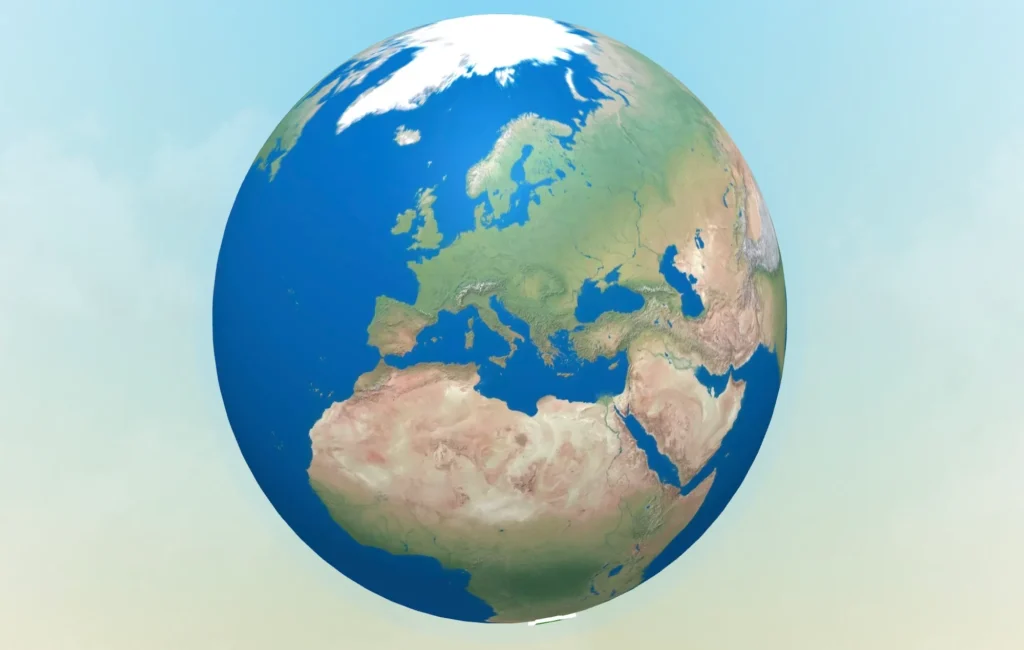
For those new to the game or needing a refresher, Globle presents you with a 3D globe where you select countries as your guesses. Each guess receives a color rating: the colder the color (darker blue), the farther you are from the target country; the warmer the color (red or orange), the closer you’re getting.
Ready to test your geographical knowledge? Visit Globle’s official website and start exploring today’s challenge!
The beauty of Globle lies in its simplicity and educational value. Each game helps you learn about world geography, country locations, and regional relationships. You’ll develop a better mental map of the world with every puzzle you solve.
Strategic Approach to Today’s Globle
Before diving into specific hints, let’s discuss strategy. Today’s country is located in Western Europe, a region known for its rich history, economic development, and cultural diversity. If you’re familiar with European geography, you have a significant advantage.
Start with major countries in different regions to establish your bearings. Guessing countries like France, Germany, or Spain early on can help you determine which part of Europe you should focus on. Pay attention to the color gradients—even small shifts in shade can indicate you’re moving in the right direction.
Consider geographical features and neighboring countries as you narrow down your options. Western European countries often share borders with multiple nations, so identifying the correct region first will make the final identification much easier.
Progressive Hints for Today’s Globle
Let’s guide you toward the answer with hints that become increasingly specific. Try working through these clues before revealing the final answer.
Hint 1: Continental Location Today’s mystery country is located in Western Europe, positioned along the coast of the North Sea. This places it in one of Europe’s most economically developed regions.
Hint 2: Size and Geography This is a relatively small country by land area, but what it lacks in size, it makes up for in global influence. A significant portion of the country sits at or below sea level, making it famous for its innovative water management systems.
Hint 3: Neighboring Countries The mystery country shares land borders with two other nations: Germany to the east and Belgium to the south. Its northern and western coasts face the North Sea.
Hint 4: Capital City Clue The capital city of this country is known for its extensive canal system, historic architecture, and vibrant cultural scene. The city shares its name with the country’s most populous urban area.
Hint 5: Cultural Landmarks This country is world-famous for windmills, tulips, and wooden shoes. It’s also known for its cycling culture, with more bicycles than people, and for its progressive social policies.
Hint 6: Below Sea Level Approximately one-quarter of this country’s land area lies below sea level, protected by an extensive system of dikes, dams, and flood barriers. The country’s name literally translates to “low lands.”
The Answer to Today’s Globle
If you’ve made your guesses and want to confirm your answer, or if you’re ready to discover today’s location, here it is:
The answer to today’s Globle is the Netherlands.
The Netherlands, officially known as the Kingdom of the Netherlands, is a Western European country renowned for its flat landscape, extensive canal systems, and masterful water management. With a population of approximately 17 million people spread across roughly 42,000 square kilometers, it ranks among the most densely populated countries in the world.
Exploring the Netherlands: Geography and Culture
The Netherlands occupies a unique position in European geography. Its name, meaning “low lands,” perfectly describes its topography—about 26% of the country lies below sea level, with the lowest point reaching nearly 7 meters below sea level. This geographical challenge has shaped Dutch culture and engineering prowess for centuries.
The country’s famous dike system represents one of humanity’s most impressive feats of water management. The Dutch have been reclaiming land from the sea for over a thousand years, creating polders—areas of land protected by dikes. The Zuiderzee Works and Delta Works are considered among the Seven Wonders of the Modern World, showcasing the Netherlands’ engineering excellence.
Amsterdam, the capital and largest city, serves as a cultural and financial hub. The city’s concentric canal system, built during the Dutch Golden Age in the 17th century, is a UNESCO World Heritage site. Rotterdam, the country’s second-largest city, hosts Europe’s largest seaport, making the Netherlands a crucial player in global trade.
Dutch Contributions to World Culture
The Netherlands has made remarkable contributions to art, science, and philosophy throughout history. During the Dutch Golden Age in the 17th century, masters like Rembrandt, Vermeer, and Frans Hals created works that continue to influence artists worldwide. Vincent van Gogh, one of history’s most celebrated painters, was Dutch, and his works remain among the most valuable in the art world.
The country is also known for its progressive social policies and high quality of life. Dutch society values tolerance, innovation, and environmental sustainability. The cycling infrastructure is world-class, with dedicated bike lanes throughout the country making cycling the preferred mode of transportation for many residents.
Tulips, though not native to the Netherlands, have become synonymous with Dutch culture. The country is the world’s largest producer and exporter of tulips, and the annual Keukenhof flower exhibition attracts visitors from around the globe.
More Daily Puzzle Challenges
If you enjoyed today’s geographical challenge with Globle, expand your daily puzzle routine with these other engaging games. Each one tests different skills and keeps your mind sharp:
- Wordle 1661 hints and answer for January 5, 2026
- Bandle hints and answer for January 5, 2026
- Worldle hints and answer for January 5, 2026
- Quordle hints and answer for January 5, 2026
- NYT Strands hints and answer for January 5, 2026
Why Globle Enhances Your Geography Knowledge
Globle stands out among daily puzzle games by making geography learning intuitive and engaging. Unlike traditional geography quizzes that simply ask you to name capitals or identify flags, Globle develops your spatial awareness and understanding of how countries relate to each other geographically.
The color-coding system teaches you about regional proximity and continental layouts. As you play regularly, you’ll naturally develop a better mental map of the world, understanding not just where countries are located but how they cluster together and which regions are distant from each other.
The game also highlights countries that might not frequently appear in mainstream media, broadening your awareness of the world’s diverse nations. From tiny island nations to landlocked African countries, Globle ensures you encounter the full spectrum of global geography.
Tips for Mastering Globle
Improving your Globle performance requires both strategy and geographical knowledge. Start each game by guessing major countries in different continents to establish your general direction. Countries like Brazil, India, Australia, and Egypt serve as excellent anchor points for determining which hemisphere and continent to focus on.
Once you’ve narrowed down the region, think about geographical features. Is the target country landlocked or coastal? Does it have significant neighbors? Understanding regional groupings helps—for instance, if you’re in Western Europe, knowing that countries like Belgium, Netherlands, and Luxembourg are clustered together can speed up your guessing.
Study a world map regularly, paying attention not just to country locations but to their sizes relative to each other and their positions within continents. Many people have strong knowledge of their own continent but weaker understanding of others, so work on balancing your global awareness.
Pay attention to the color transitions in your guesses. If moving from one country to its neighbor causes a significant color change, you’re getting valuable information about the direction you should explore. Sometimes the answer lies in smaller countries easily overlooked when scanning the map.
The Netherlands in a European Context
Today’s Globle answer places you in the heart of the European Union. The Netherlands is a founding member of the EU and plays a significant role in European politics and economics. The country’s strategic location has made it a crossroads of European trade for centuries.
The Dutch language, spoken by the majority of the population, belongs to the Germanic language family and shares similarities with German and English. However, the Netherlands is also known for its high English proficiency, with most citizens speaking English fluently, making it one of the most accessible non-English-speaking countries for international visitors.
The country’s economy is highly developed and diverse, with strengths in agriculture (despite limited land area), technology, and international trade. Dutch companies have significant global presence, and the Port of Rotterdam serves as a gateway for goods entering Europe.
Final Thoughts on Today’s Globle
Whether you pinpointed the Netherlands quickly or needed several guesses to navigate your way there, today’s Globle offered an opportunity to explore one of Europe’s most fascinating countries. The Netherlands demonstrates how nations can thrive despite geographical challenges, turning potential disadvantages into strengths through innovation and determination.
The country’s story of land reclamation, water management, and adaptation to environmental challenges becomes increasingly relevant in our era of climate change and rising sea levels. The Dutch expertise in living with water rather than fighting against it offers valuable lessons for coastal communities worldwide.
Come back tomorrow for another geographical adventure with Globle. Each puzzle is a chance to explore a different corner of our diverse planet and expand your understanding of world geography. Keep spinning that globe, and may your future guesses grow warmer with every attempt!