If you’re trying to upgrade your Farmer’s Workbench from Tier 1 to Tier 2 in Hytale, you’ve probably noticed the recipe calls for Softwood Logs. The problem? When you check your inventory after chopping trees, nothing is actually labeled “Softwood.” So what gives?
Here’s the deal: Softwood isn’t a specific item—it’s a category that includes three different tree types. If you don’t know which trees count as Softwood, you’ll waste time chopping the wrong ones.
Let me show you exactly which trees drop Softwood Logs, where to find them, and how to tell them apart from similar-looking trees.
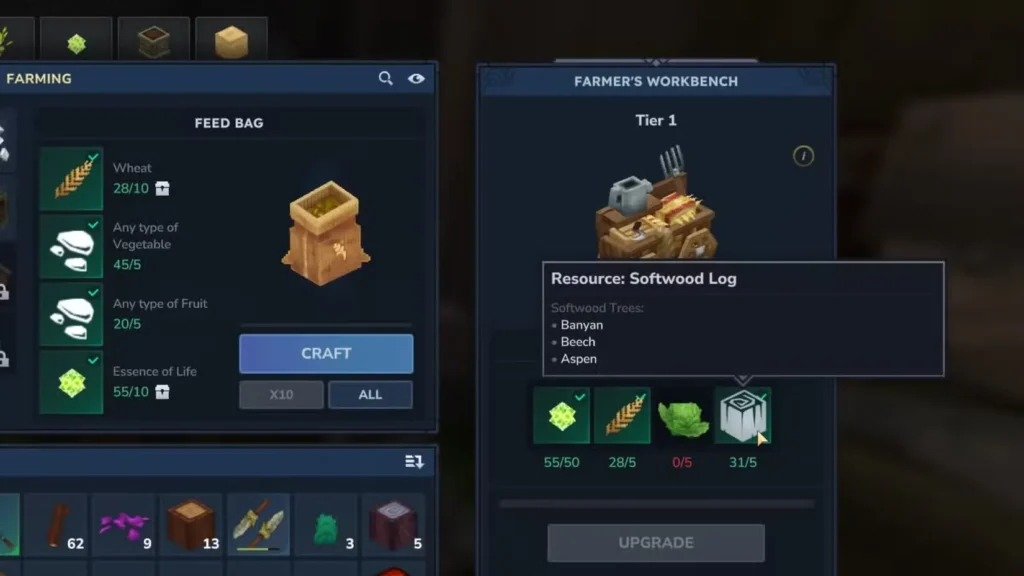
What Trees Count as Softwood in Hytale?
Softwood includes logs from three tree types:
- Beech Logs (Emerald Grove, Zone 1)
- Aspen Logs (Emerald Grove, Zone 1)
- Banyan Logs (Devastated Lands, Zone 4)
All three types are interchangeable for crafting recipes that require Softwood, so you can use any combination of them to upgrade your Farmer’s Workbench.
The first two (Beech and Aspen) are super easy to find in the starting zone. Banyan trees are much harder to reach since they’re deep underground in a late-game biome, so I’d recommend sticking with Beech and Aspen for your upgrade needs.
Where to Find Beech Logs (Easiest Option)
Location: Emerald Grove (Zone 1) – the starting area
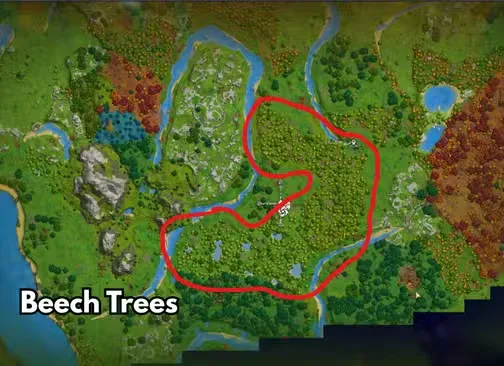
Beech trees are probably the most common Softwood source you’ll encounter early on. They spawn throughout temperate forest biomes in Zone 1.
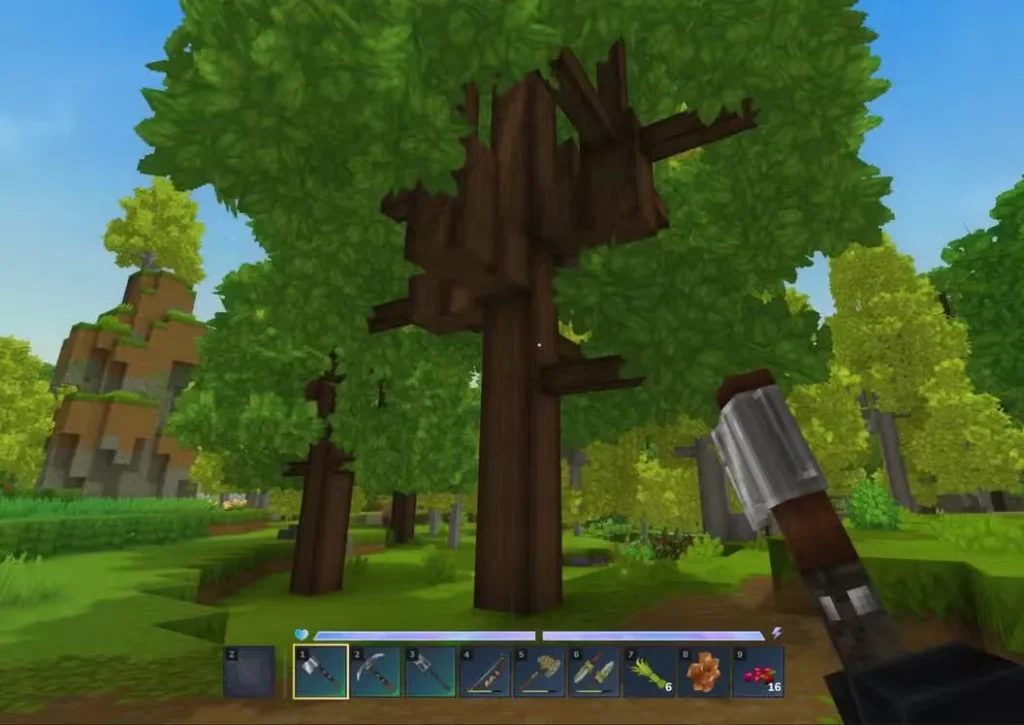
How to Identify Beech Trees
- Brown bark that’s darker on the edges and lighter in the center
- Light green leaves
- Moderate size – not huge, not tiny
On your map, Beech forests show up as small blobs of green.
Don’t Confuse Beech with Oak
Here’s where it gets tricky: Beech and Oak trees look extremely similar. Both have brown trunks and light green leaves, which makes them easy to confuse.
The difference:
- Beech trunks are a lighter shade of brown
- Oak trunks are darker, almost chocolate-brown
If you’re not sure, chop it down anyway—Oak is used for Hardwood Planks, so it’s still useful. But if you specifically need Softwood, look for the lighter brown trunks.
Where to Find Aspen Logs (Also Easy)
Location: Emerald Grove (Zone 1) – the starting area
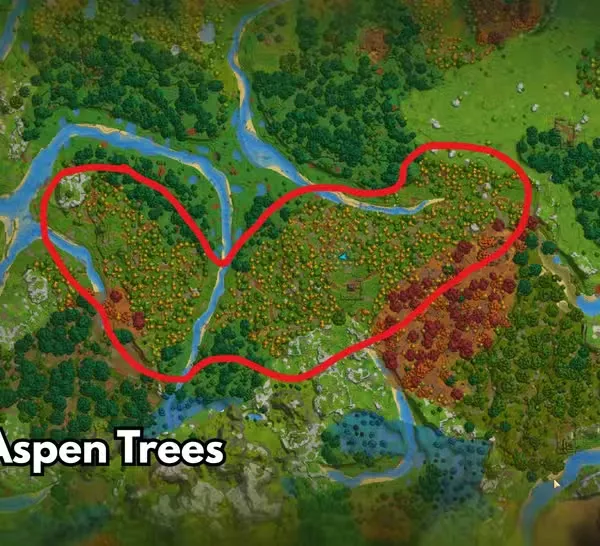
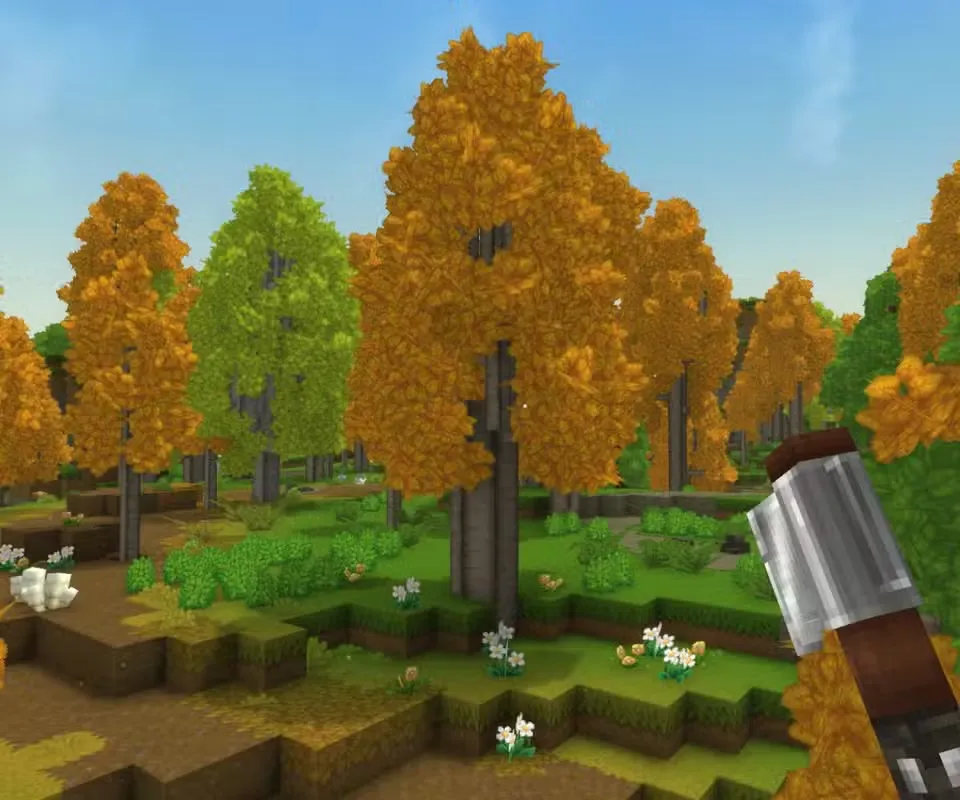
Aspen trees are the easiest to identify because they look completely different from other Zone 1 trees.
How to Identify Aspen Trees
- Yellow leaves (very distinctive)
- White tree trunks with gray markings
- Thin and narrow – typically just a single block-thick trunk with no branches
On your map, Aspen trees appear as little dots of yellow, making them super easy to spot.
Aspens are often scattered throughout the same biomes where Beech and Oak grow, so you’ll likely find them while exploring for other resources.
Where to Find Banyan Logs (Late-Game Only)
Location: Devastated Lands (Zone 4) – Underground Jungle Layer
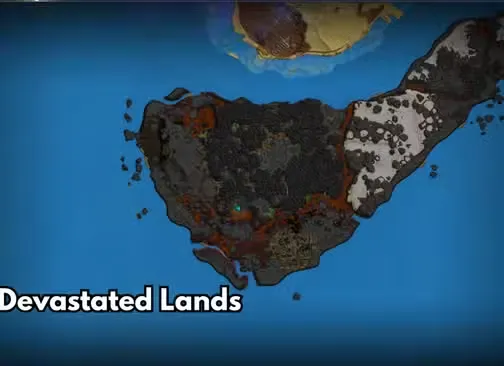
Banyan trees are the hardest Softwood source to access because they only spawn in the underground jungle layer of the Devastated Lands, a late-game volcanic zone.
What Are the Devastated Lands?
The Devastated Lands is Zone 4—a dangerous, volcanic biome where the surface is covered in:
- Lava streams
- Smoke and ash
- Burnt tree husks (no greenery on the surface)
It’s similar to the volcanic regions where you’d farm Adamantite, except even more hostile.

Finding the Underground Jungle Layer
Despite the hellish surface, deep underground in the Devastated Lands is a hidden jungle biome teeming with life—including Banyan trees.
To reach it:
- Enter the Devastated Lands (Zone 4)
- Find a cave entrance or dig downward
- Explore underground until you find the jungle layer
This is a late-game area, so bring strong gear (similar to what you’d need for upgrading weapons to Adamantite or Mithril tiers).
How to Identify Banyan Trees
- Massive, multi-branched trees (some of the biggest in the game)
- Light brown bark
- Green leaves
- Loose vines hanging from branches, sometimes reaching the ground
Banyan trees are always shrouded in darkness due to the absence of sunlight underground, so bring torches or light sources.
Is It Worth Farming Banyan for Softwood?
Honestly? No, not for the Farmer’s Workbench upgrade. Beech and Aspen are way easier to farm in Zone 1, and they work just as well.
Banyan logs might have unique uses later in the game (or for building projects), but for basic Softwood needs, stick to the starting zone.
How to Farm Softwood Efficiently
Best Strategy: Focus on Beech and Aspen
Since both trees spawn in the Emerald Grove (Zone 1), you can farm them together:
- Explore temperate forests in the starting area
- Look for yellow dots (Aspen) and green blobs (Beech) on your map
- Chop down both tree types as you find them
- Bring a good axe to speed up harvesting
- Mark productive forests on your map for return trips
Use Your Map
Open your map frequently while exploring. Tree types show up as distinct colors:
- Yellow dots = Aspen
- Green blobs = Beech (and Oak)
- Light green = Lightwood (Birch)
This makes it easy to locate specific tree types without wandering randomly.
Combine Resource Runs
While farming Softwood, also gather:
This maximizes efficiency and reduces the number of trips you need to make.
Upgrade Your Inventory
If you’re hauling large amounts of Softwood, consider crafting a backpack upgrade to carry more per trip.
What You Need Softwood For
1. Upgrade the Farmer’s Workbench to Tier 2
This is the main reason you’re farming Softwood. The Tier 2 Farmer’s Workbench unlocks better farming recipes, which are essential if you’re serious about taming animals or building a sustainable farm.
2. Building and Decoration
Softwood logs (especially Aspen with its white bark and Banyan’s massive size) make great building materials for:
- Rustic cabins with light-colored wood
- Modern builds with clean, pale aesthetics
- Jungle-themed structures using Banyan logs
3. Other Crafting Recipes
Some furniture, tools, and decorative items may require Softwood logs as an ingredient. Having a stockpile ensures you won’t need to make repeated farming trips.
Quick Tips for Softwood Farming
- Beech and Aspen are all you need – Skip Banyan unless you’re already in Zone 4
- Look for lighter brown trunks – That’s Beech, not Oak
- Yellow leaves = Aspen – Super easy to spot from a distance
- Use your map – Tree colors make identification effortless
- Replant saplings – If you plan to return, sustainable farming saves time
- Bring a good axe – Higher-tier axes chop trees much faster
Testing Softwood Builds in Creative Mode
If you want to experiment with Softwood building blocks or test crafting recipes, use Creative Mode console commands:
/give [username] Beech_Log --quantity=64
/give [username] Aspen_Log --quantity=64
This lets you prototype builds and test recipes without grinding for materials first.
FAQs About Softwood in Hytale
What’s the difference between Softwood and Hardwood?
Softwood comes from Beech, Aspen, and Banyan trees and is used for specific crafting recipes like the Farmer’s Workbench upgrade. Hardwood comes from Oak and Ash trees and is used for furniture, Iron Chests, and decorative items. They’re not interchangeable.
Where’s the easiest place to farm Softwood?
Emerald Grove (Zone 1) – Look for Beech trees (light brown trunks, light green leaves) and Aspen trees (white trunks, yellow leaves). Both are abundant in temperate forests in the starting area.
Do I need Banyan logs for the Farmer’s Workbench upgrade?
No. Beech or Aspen logs work just fine, and they’re way easier to farm. Banyan logs are only in Zone 4’s underground jungle layer, which is a late-game area. Save yourself the trouble and stick with Zone 1 trees.
How do I tell Beech apart from Oak?
Both have brown trunks and light green leaves, but Beech trunks are lighter brown and Oak trunks are darker, chocolate-brown. If you’re still not sure, chop it down—Oak is useful for Hardwood Planks, so it’s not wasted
Related Guides: