Arcadia-7 is not a friendly place. Between the hostile Vermin, the devastating ruptures that periodically scorch the planet’s surface, and the various environmental hazards lurking around every corner, survival requires serious preparation. One of the nastiest obstacles you’ll encounter is corrosive gas—toxic clouds that block access to entire regions of the map and quickly drain your health if you try to push through unprepared.
The good news? You can boost your corrosion resistance and safely explore these dangerous areas. The bad news? Getting the materials you need involves some risky ventures into underground caves and—ironically—running into corrosive zones themselves. Let me walk you through exactly how to craft the Corrosion Resistance Plasm and access those previously off-limits areas of StarRupture.

Crafting Corrosion Resistance Plasm in StarRupture
The key to surviving corrosive environments is the Corrosion Resistance Plasm, which you can craft at your Food Station. This consumable doubles your corrosion resistance for 10 minutes—more than enough time to explore toxic zones, gather resources, or complete objectives in contaminated areas.
But before you can start brewing this essential buff, you need to unlock the recipe at your Recipe Station first.
Unlocking the Recipe at the Recipe Station in StarRupture
To research the Corrosion Resistance Plasm recipe, you’ll need to gather and insert these materials into your Recipe Station:
- 40 Glowcaps
- 25 Sulhearts
- 100 Data Points
Let’s break down where to find each of these ingredients, because they’re not exactly sitting in your backyard.
Finding Glowcaps in Underground Caves
Glowcaps are those large, yellow-green fungal growths that only spawn in underground cave systems. The challenge here is actually accessing the caves in the first place.
How to enter underground caves:
Cave entrances are blocked by thick roots growing over holes in the ground. These roots only burn away during heat waves, so you need to time your cave exploration carefully. As soon as a heat wave ends, the roots are cleared, and you have a window to drop down into the cave system before they grow back.
Once inside, Glowcaps are pretty easy to spot—they’re the bioluminescent fungi lighting up the darkness. Harvest them while you’re down there, and grab extras because you’ll need them for crafting the Plasm later.
For a complete guide on navigating these underground systems, check out our detailed breakdown on how to enter underground caves.
Gathering Sulhearts (The Risky Part)
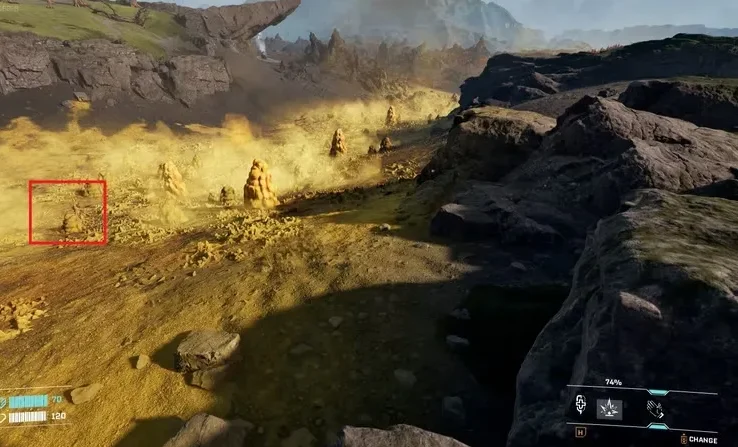
Here’s where things get dangerous. Sulhearts grow near sulfur deposits across Arcadia-7, and you can identify these deposits by looking for large patches of yellow ground with gas rising from them. If you’ve discovered any sulfur deposits previously, they’ll show up on your map in bright yellow, making them easier to relocate.
The problem? Sulhearts spawn inside the corrosive gas clouds surrounding these deposits. Yes, you need corrosion resistance to safely farm the ingredient that gives you corrosion resistance. It’s a classic catch-22.
How to gather Sulhearts without the Plasm:
Your best bet is to make quick hit-and-run grabs. Sprint into the gas cloud, harvest the Sulhearts as fast as possible, and get out before the corrosion eats through your health. Bring healing items—your medtool should be fully charged—and be ready to heal up immediately after escaping the gas.
You need 25 Sulhearts to unlock the recipe, so you’ll probably need to make multiple trips. Once you’ve unlocked the Plasm recipe, though, future Sulheart farming becomes much easier since you can pop the buff before heading in.
Farming Data Points
Compared to the other two ingredients, Data Points are the easy part. You earn Data Points by inserting items into your Analyzer—basically anything you find can be analyzed for points.
The recipe only requires 100 Data Points, which is honestly a drop in the bucket. If you’ve been playing for even a short time, you probably have this amount already. If not, just throw some random materials and resources into your Analyzer, and you’ll hit 100 in no time.
Brewing the Corrosion Resistance Plasm
Once you’ve researched the recipe at your Recipe Station, head to your Food Station to actually craft the Plasm. Each dose requires:
- 3 Glowcaps
- 2 Sulhearts
This is why I recommended gathering extra Glowcaps during your cave expeditions. You’ll want to craft multiple doses so you’re not constantly running back to caves every time you need to venture into a toxic zone.
Craft a good supply—five to ten doses is a solid starting point—and keep them in your inventory for when you need them. If you’re struggling with inventory space, consider upgrading your carrying capacity before you start stockpiling consumables.
Using the Corrosion Resistance Plasm
When you’re ready to explore a corrosive area, simply consume the Corrosion Resistance Plasm from your inventory. You’ll immediately receive:
- Double corrosion resistance for 10 minutes
- +40 Toxicity (side effect)
The toxicity increase sounds scary, but honestly, it’s nothing to worry about. The game doesn’t punish you severely for moderate toxicity levels, and the buff duration is generous enough that you can explore, gather resources, and get out before the 10 minutes expires.
What You Can Do With Corrosion Resistance
With the Plasm active, you can safely:
- Explore previously inaccessible areas of the map blocked by corrosive gas
- Farm Sulhearts without taking damage, making future Plasm crafting much easier
- Complete missions or objectives located in toxic zones
- Gather rare resources that only spawn in contaminated areas
Make sure you’re checking the map to identify which areas are blocked by corrosion before you venture out. Plan your route so you maximize your 10-minute window.
Pro Tips for Corrosion Resistance Management
Stock up before major expeditions: If you’re planning to explore the far reaches of Arcadia-7 or tackle late-game content, craft multiple doses ahead of time. Running out of Plasm in the middle of a toxic zone is not fun.
Time your cave runs: Keep an eye on the heat wave cycle. Enter caves immediately after a heat wave to harvest Glowcaps while the entrances are accessible. If you’re unsure about game cycles and progression, our roadmap guide has helpful info.
Combine with other buffs: Corrosion resistance doesn’t work in isolation. Make sure you’ve got proper gear, weapons, and healing items before venturing into dangerous areas. Check out our guides on weapon modding and unlocking all weapons to ensure you’re combat-ready.
Mark sulfur deposits: Every time you discover a new sulfur deposit, it gets marked on your map. This makes returning for Sulheart farming much easier once you’ve got the Plasm to protect yourself.
For more survival and crafting tips, check out our comprehensive beginner’s guide and learn about other essential materials like Tubes and Ceramics.
Frequently Asked Questions
Can I increase corrosion resistance permanently, or is it always temporary?
Corrosion resistance from the Plasm is always temporary—it lasts for 10 minutes per dose. There’s no permanent upgrade or equipment that provides constant corrosion protection, so you’ll need to keep crafting and consuming the Plasm whenever you venture into toxic areas. Stock up on Glowcaps and Sulhearts to avoid constantly farming for materials.
What happens if the Plasm wears off while I’m in a corrosive zone?
If your buff expires while you’re still in a toxic area, you’ll immediately start taking corrosion damage. The damage ticks rapidly, so you need to either pop another Plasm quickly or get out of the gas cloud ASAP. Always keep an eye on your buff timer and plan your exit before it runs out. Bring extra doses if you’re planning an extended exploration session.
Is the +40 Toxicity side effect dangerous?
Not really. The toxicity increase is noticeable but manageable. You won’t die from toxicity alone at +40, and the benefit of being able to safely explore corrosive zones far outweighs this minor drawback. Just avoid stacking multiple toxicity-inducing items at once if you can help it.
Do I need corrosion resistance to beat the game?
While it’s not strictly required for the main storyline, corrosion resistance opens up significant portions of the map that contain valuable resources, blueprints, and materials needed for advanced crafting. If you want to access endgame content, unlock all recipes, or fully explore Arcadia-7, you’ll definitely need the Plasm. It’s essentially mandatory for 100% completion.
Ready to explore every corner of Arcadia-7? Grab StarRupture on Steam and check out our complete guide collection, including basic building materials, power connections, and character guides.