If you’re planning to explore the deep underground caves and massive chasms of Orbis, you’re going to need a reliable way to move vertically. Sure, you could build pillar towers like it’s 2011 Minecraft, but there’s a much cleaner solution: Rope.
Rope is one of those items that seems simple on the surface but can genuinely save your life when you’re exploring with friends or diving solo into dangerous territory. That said, Hytale‘s Rope system has some quirks that can be frustrating if you don’t know how it works. Let me walk you through everything you need to know about crafting and using Rope effectively.
Also check complete Guides of Hytale
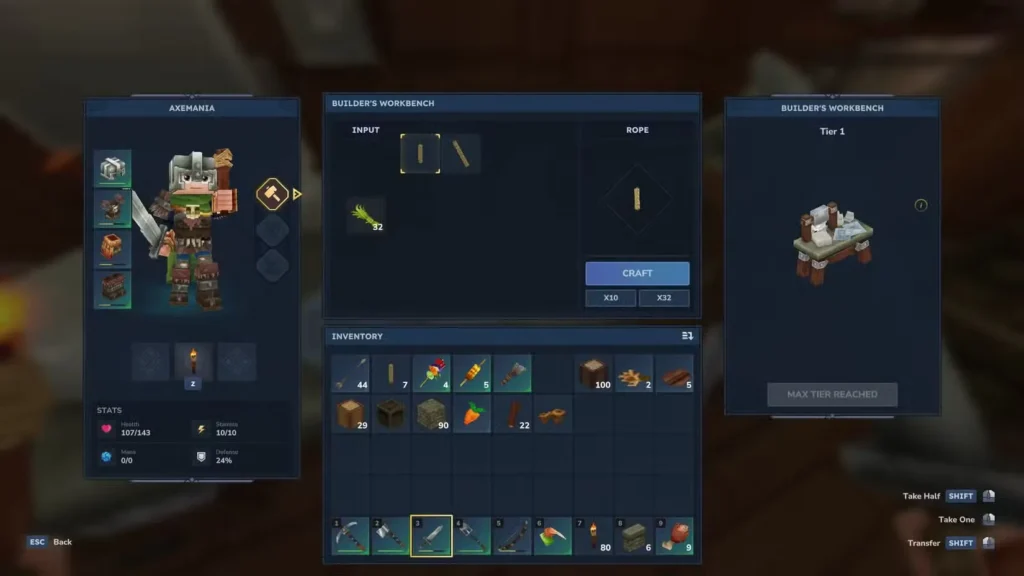
How to Craft Rope in Hytale
The crafting process itself is refreshingly simple, though you’ll need access to a specific workstation.
Here’s what you need:
- Crafting Station: Builder’s Workbench (this is where all construction-related blocks and items are made)
- Material Required: Plant Fiber
- Conversion Rate: 1 Plant Fiber = 1 Rope
Getting Plant Fiber
Plant Fiber is super easy to gather once you know where to look. Just head outside and start cutting down the vegetation you see around you:
- Thick grass patches
- Shrubs
- Bushes
- Similar flora scattered throughout the world
Basically, if it’s green and bushy, whack it with your tool and you’ll probably get some Plant Fiber. Stock up whenever you’re out gathering other resources—you’ll want a decent supply before heading underground, especially if you’re planning a deep expedition.
How Rope Actually Works (And Its Frustrating Quirks)
In theory, Rope functions like ladders in most voxel games—you place them vertically, climb up and down, and connect multiple pieces to create longer chains. In practice? It’s a bit more complicated than that.
The Placement Problem
Here’s where things get annoying: you cannot place Rope directly on top of another piece of Rope. Yeah, I know. Doesn’t make much sense, does it?
If you want to extend your Rope line downward into a new area, you need to start your line along a wall. The wall acts as a snap point that allows you to attach additional Rope pieces. This means you can’t just dangle a rope down into the middle of a massive open chasm—you need something solid to attach it to.
Practical implications:
- Exploring large underground chasms becomes tricky since you need wall access
- You’ll have to get creative with placement while descending
- Sometimes you need to build temporary block platforms just to continue your Rope line
- For reaching higher levels, ladders might honestly be the better option
The system feels a bit unfinished (probably because the game is still in early access), but understanding these limitations will save you a lot of headaches when you’re 100 blocks underground wondering why your Rope won’t place.
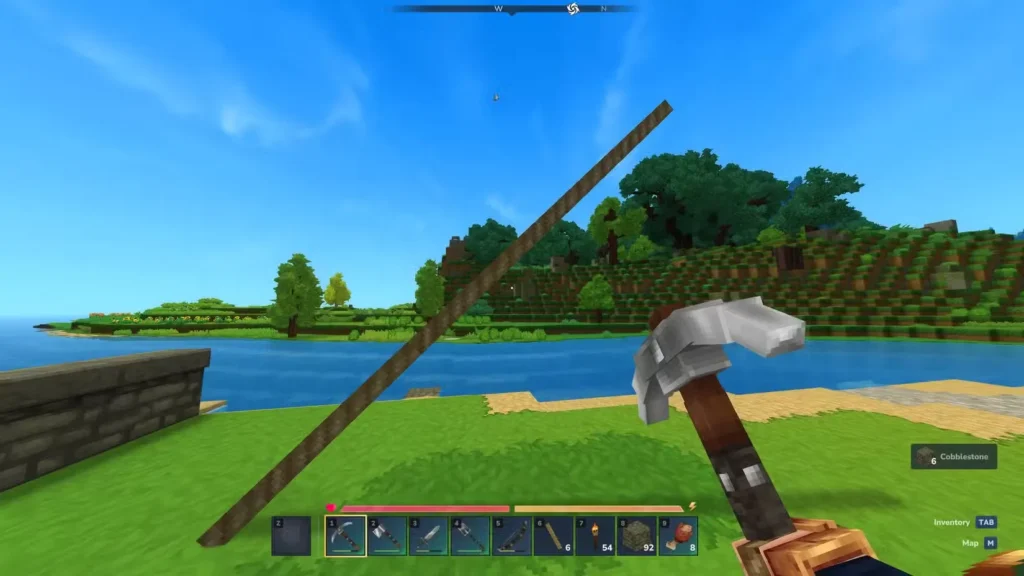
Diagonal Rope: Cool Concept, Questionable Execution
You can also craft Diagonal Rope pieces for angled placement, which sounds awesome in theory. In practice? Not so much.
The issues with Diagonal Rope:
- They refuse to snap to each other properly
- They don’t have the same climbing/gripping properties as vertical Rope or ladders
- They seem designed primarily as decorative building pieces
- Basically useless for actual traversal purposes
My advice? Skip Diagonal Rope for exploration purposes. If you’re building something aesthetic and want angled rope details, go for it. But if you’re packing supplies for a caving expedition, don’t waste your inventory space on these.
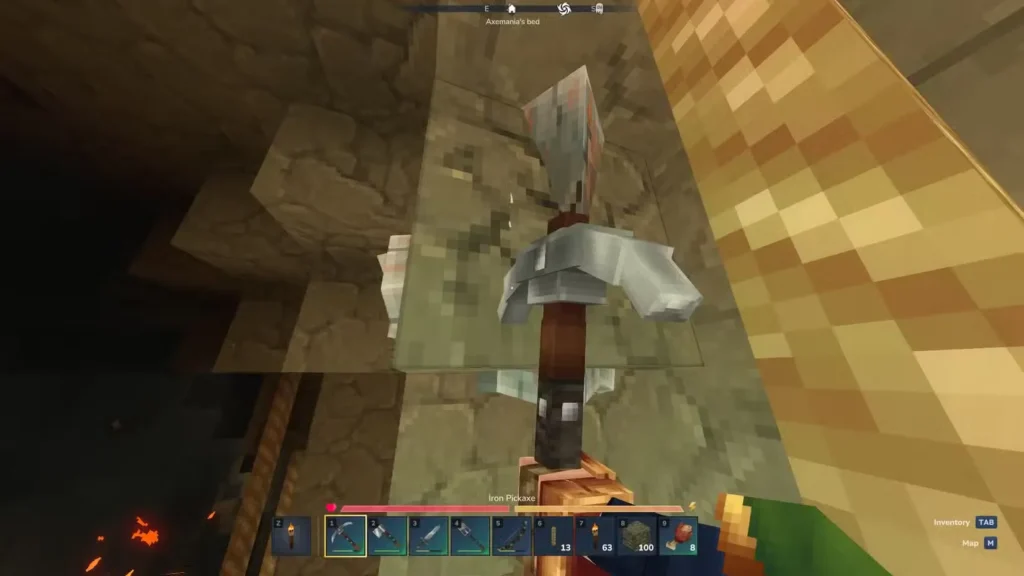
Best Use Cases for Rope
Despite its quirks, Rope does have some situations where it shines:
Reaching High Places
The absolute best use for Rope in Hytale’s current early access state is climbing to high locations—think valuable ore veins stuck on tall cave walls or resources on ceilings. As long as you can reach the high point to place the initial Rope piece, you can create a climbable path back up.
However, if something is too high to even place the Rope on the ceiling in the first place, just switch to ladders. Since you can stack ladders on top of each other without needing a wall, they’re more versatile for extreme heights.
Quick Vertical Access in Structured Caves
If you’re exploring cave systems with clearly defined walls and chambers (rather than massive open chasms), Rope works great for marking your path and creating quick vertical access points between levels.
Better Alternatives for Deep Descents
Honestly? For going down into deep holes, there are better methods than struggling with Rope placement:
The Water Elevator Trick
Remember that old Minecraft water elevator technique? It works perfectly in Hytale.
- Stand at the edge of a deep hole or shaft
- Get a bucket of water
- Pour it over the edge to create a waterfall
- Swim down through the water tunnel safely
Bonus benefit: The water also protects you from lava if you’re hunting for Cindercloth Scraps or other dangerous underground materials. No more accidentally walking into molten death!
Dual Daggers Jump Technique
If you’ve got Dual Daggers, their charged attacks let you leap incredible distances. For climbing ledges or crossing gaps, this can be way faster than messing with Rope placement. It takes some practice to get the timing right, but once you’ve got it down, it’s a genuine game-changer for mobility.
Between water elevators for descending and Dual Daggers for ascending/traversing, you might find yourself using Rope less than you’d expect.
My Honest Take on Rope
Look, Rope should be amazing—and in some situations, it genuinely is useful. But the placement restrictions make it more frustrating than it needs to be, especially when ladders exist and work more intuitively.
I typically carry some Rope for specific situations (marking routes, accessing high ore veins), but I don’t rely on it as my primary vertical traversal method anymore. The water bucket trick and ladder stacking are just more reliable for serious exploration.
That said, since Hytale is still in early access, there’s a good chance the developers will improve the Rope system based on player feedback. The concept is solid—it just needs some mechanical refinement.
In the meantime, gather plenty of Plant Fiber when you’re out collecting resources like Leather or Linen Scraps, craft some Rope at your Builder’s Workbench, and experiment with different placement strategies. And hey, if the Rope isn’t working how you need it to, don’t be stubborn—just grab some ladders or a water bucket instead.
Also, make sure your gear is in good shape before heading underground. Knowing how to repair items will save you from getting stuck in a cave with broken tools. Trust me on that one.
Frequently Asked Questions
Can I retrieve Rope after placing it?
Yes! You can break placed Rope pieces and collect them back into your inventory, just like most other blocks and items in Hytale. This means you can reuse the same Rope multiple times as you explore different areas, making it a fairly sustainable traversal option once you’ve crafted a decent supply.
Is Rope better than ladders in Hytale?
It depends on the situation. Rope is lighter to carry (Plant Fiber is abundant) and works great along cave walls, but ladders are more versatile since you can stack them freely without needing wall attachment points. For extreme depths or heights, ladders are generally more reliable. For quick wall climbs and marking routes, Rope works fine.
How much Plant Fiber should I gather for a deep cave expedition?
Since 1 Plant Fiber = 1 Rope, and each Rope piece covers one block of height, you’ll want at least 30-50 Plant Fiber for a moderately deep cave system. For serious underground expeditions, I’d recommend 100+ Plant Fiber to be safe. The good news is that Plant Fiber is incredibly easy to gather, so you can always stock up quickly before any trip.
Does Rope work the same when playing multiplayer?
Yes, Rope functions identically whether you’re playing solo or with friends. Multiple players can use the same Rope lines simultaneously, which is actually one of Rope’s best features for co-op play—everyone can climb the same route without needing separate ladders or platforms. Just make sure someone places it correctly along a wall first!