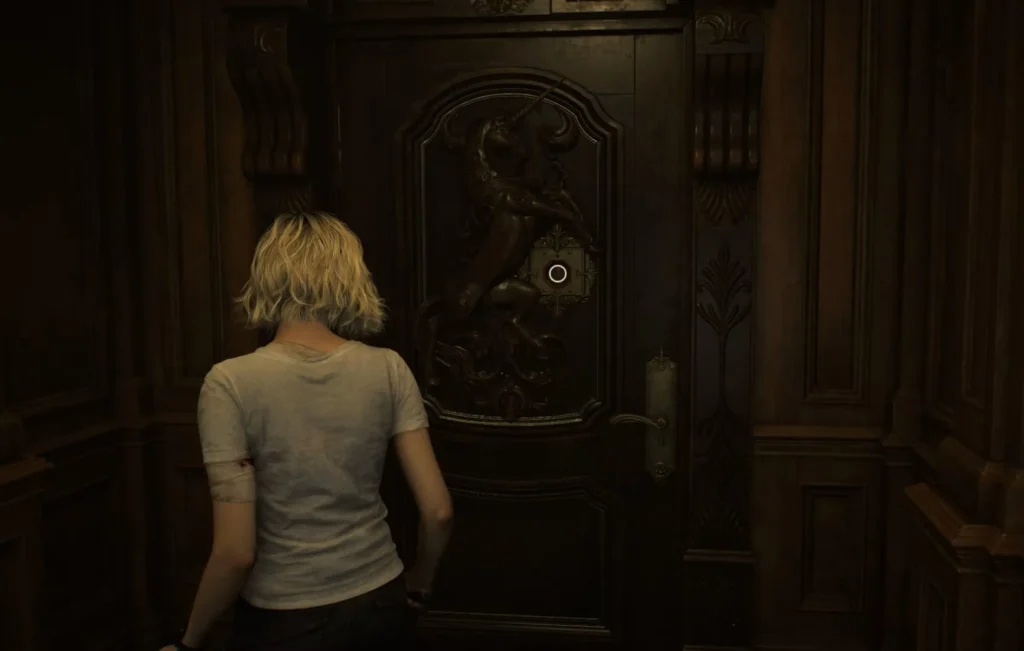
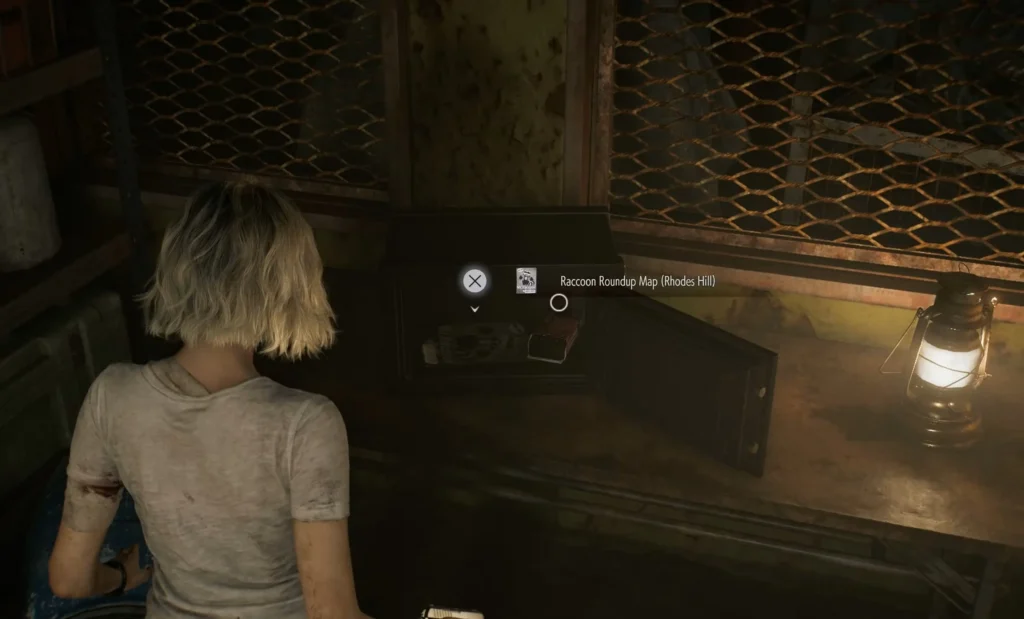
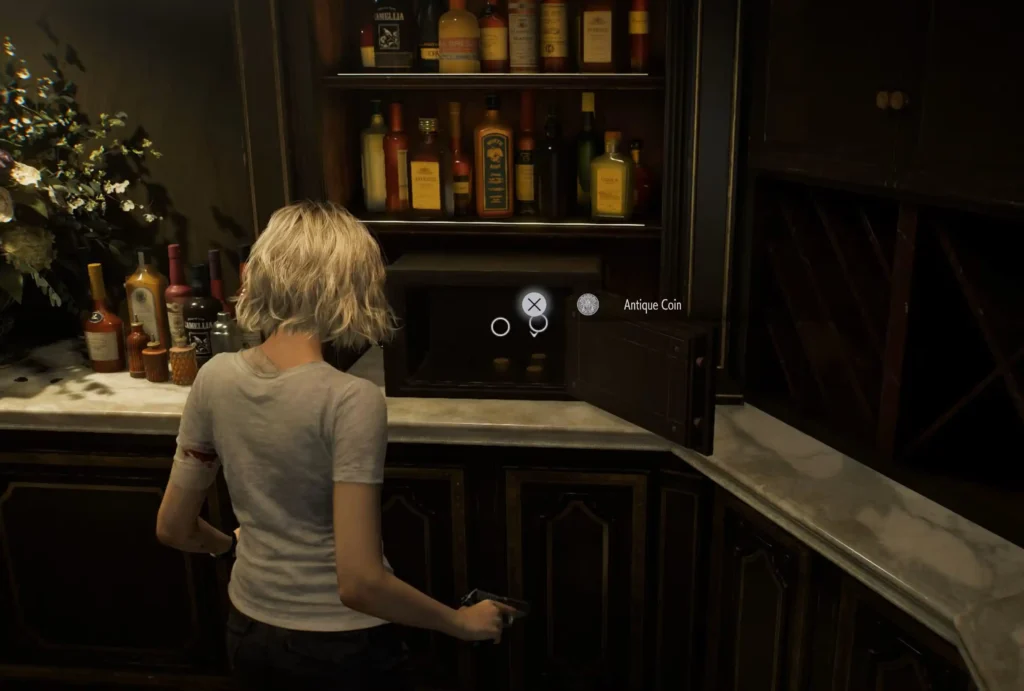
TL;DR: Sony’s upgraded PSSR (dubbed “PSSR 2.0” by the community) launched on February 27 alongside Resident Evil Requiem — the first game to use the new version. Built from Sony and AMD’s Project Amethyst collaboration and based on the same technology behind FSR 4, the update delivers substantially sharper 4K at 60fps with ray tracing active. Digital Foundry called it “the real deal,” noting upscaling from a base resolution above 1080p to a “legitimately high-quality 4K output.” A March system software update will extend it to 50+ existing PS5 Pro titles via a new “Enhance PSSR Image Quality” settings toggle — no developer patches required. Hair rendering sees the most visible improvement, resolving individual strands that previously appeared muddy or shimmery.
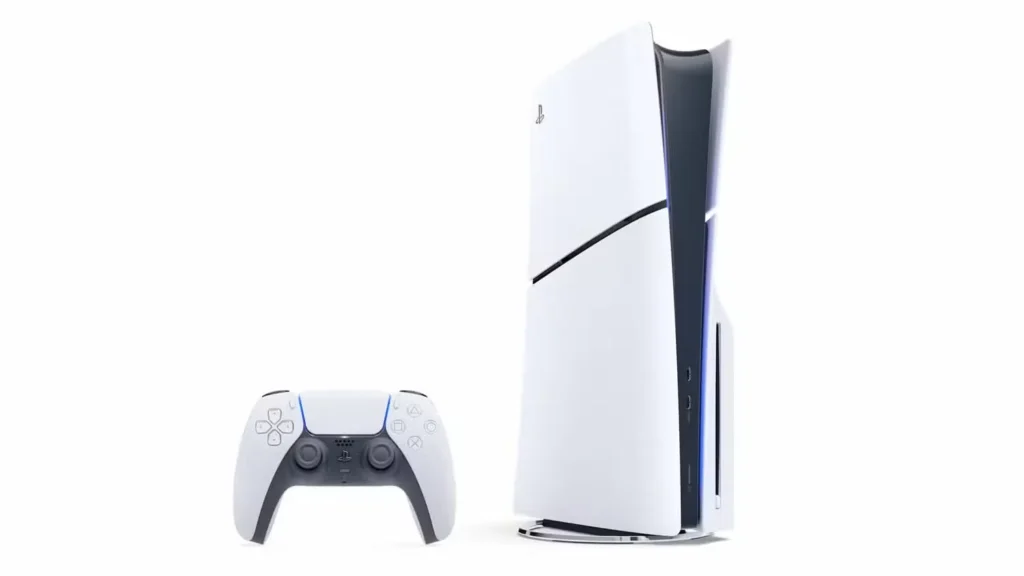
The PS5 Pro has always carried an asterisk. Technically superior, but arguably waiting for the software to match its ambitions. On February 27, 2026, that wait moved significantly closer to being over. Sony launched the upgraded version of its PSSR (PlayStation Spectral Super Resolution) AI upscaling technology alongside Resident Evil Requiem — and the results, according to multiple technical analyses, are the most significant image quality leap the PS5 Pro has delivered since launch.
What PSSR 2.0 Actually Is — and Where It Came From
PSSR is an AI library that analyzes game images pixel by pixel as it upscales them, and it has been used to boost the effective resolution of over 50 titles on PS5 Pro to date. The new version represents a fundamental rethink rather than an incremental patch.
The update is the result of Sony’s continued collaboration with AMD under Project Amethyst, a joint effort focused on advancing machine learning techniques for graphics rendering. The refined PSSR introduces a more sophisticated neural network and improved reconstruction methods, benefiting from roughly six additional months of development since the PS5 Pro’s release.
The connection to AMD’s PC upscaling work is direct. This project led to FSR 4 for the Radeon 9000 series GPUs on PC, and has been adapted to work with the dedicated upscaling hardware in the PS5 Pro. In practical terms, PS5 Pro owners are receiving the same co-developed technology that PC users experienced through FSR 4 — with the added benefit of several more months of refinement specific to console hardware.
Digital Foundry’s Verdict: “The Real Deal”
Technical analysis has backed up what players are seeing with their own eyes. In its analysis of PSSR 2.0’s use in Resident Evil Requiem, Digital Foundry called it “the real deal,” noting that in the game’s RT mode, the console upscales to 4K from a base resolution slightly higher than 1080p — with fine details, such as stitching on character clothing and small text on environmental signage, resolving convincingly on a 4K display. Edge clarity is substantially improved, and the image presents as a legitimately high-quality 4K output at 60fps, aligning with the original promise of PSSR.
Digital Foundry noted that the PS5 Pro version does still exhibit some noise in RT scenes, but confirmed it is not an issue with PSSR itself, but in Capcom’s own denoising solution. That’s a meaningful distinction — the upscaler is performing as intended; any remaining noise is a game-specific implementation detail rather than a technology limitation.
Hair rendering is where the generational leap is most visible. Capcom’s Masaru Ijuin described the focus in Resident Evil Requiem: “Each individual strand of hair and beard is rendered as a polygon, allowing it to move realistically in response to body motion and wind. The upgraded PSSR has allowed us to elevate our expressiveness by successfully processing these details and textural particularities, which are traditionally difficult to upscale because of their intricacy.” Under the old PSSR, hair in RE Engine games could appear muddy and shimmery. Under PSSR 2.0, individual strands resolve cleanly — a directly visible improvement that becomes apparent within the first few minutes of gameplay.
The March System Update: 50+ Games Get the Upgrade Automatically
The more significant story for most PS5 Pro owners isn’t what’s in Resident Evil Requiem — it’s what’s coming in March for every game they already own. A March system update will introduce a new settings option labeled “Enhance PSSR Image Quality,” which will allow users to apply the improved AI upscaling to any compatible title that already supports PSSR.
There are around 50 games with PSSR support currently, all having been adapted in some way to take advantage of the PS5 Pro feature. Sony is able to provide a system-level upgrade toggle to force the use of the new PSSR across that entire library. Conceptually, this is similar to how interchangeable upscalers work on PC — whether swapping out DLL files or using OptiScaler to inject support for a different version.
The key implication: developers do not need to patch their individual games. Even titles that never receive a dedicated PSSR 2.0 update — like Silent Hill 2 or Metal Gear Solid Delta — will be covered by the system toggle. That resolves one of the biggest concerns heading into this rollout, where many feared that smaller studios or older titles would simply never commit the resources to a dedicated update.
There is always the chance of edge case issues with some games — Silent Hill 2 Remake launched with a difficult implementation of the original PSSR — but the vast majority of titles are expected to benefit cleanly from the system-level switch.
The Question of Timing
The upgrade working as well as it does makes one thing harder to ignore. PS5 and PS5 Pro lead architect Mark Cerny confirmed in July 2025 that Sony was working on a major update for PSSR that would significantly improve the performance of PS5 Pro games, and said at the time that the update would arrive in 2026. That timeline held — but it means the console launched in late 2024 and spent over a year operating with a version of its signature feature that was already slated for replacement.
The PS5 Pro’s early library also leaned heavily on last-generation ports and cross-gen releases, which limited how many games genuinely pushed the hardware’s capabilities. Now, roughly 16 months after launch, major first-party PlayStation titles are arriving — several reportedly PS5 exclusive — alongside a hardware-level upscaling upgrade. The timing is welcome, but it would have landed differently as a launch-day feature.
That said, the path forward from here looks considerably clearer. With PSSR 2.0 now deployable across the Pro’s entire supported library at the flip of a settings toggle, and a growing slate of native PS5 Pro titles on the horizon, the hardware is finally beginning to deliver on the promise it shipped with.
For more on what’s driving the current wave of PS5 Pro momentum, check out the full breakdown of PS5 Pro PSSR 2.0 and its implications for Xbox’s next moves. And for the broader gaming news driving 2026 so far, see what Sony Santa Monica is secretly building in the God of War universe and why Pokémon Pokopia has the highest Metacritic score of all time.Share