Welcome to today’s Globle challenge! If you’re struggling to pinpoint the mystery country for December 28, 2025, this comprehensive guide will help you out. We’ve prepared progressive hints that gradually reveal more information, allowing you to solve the puzzle at your own pace without immediately spoiling the answer.
What is Globle?
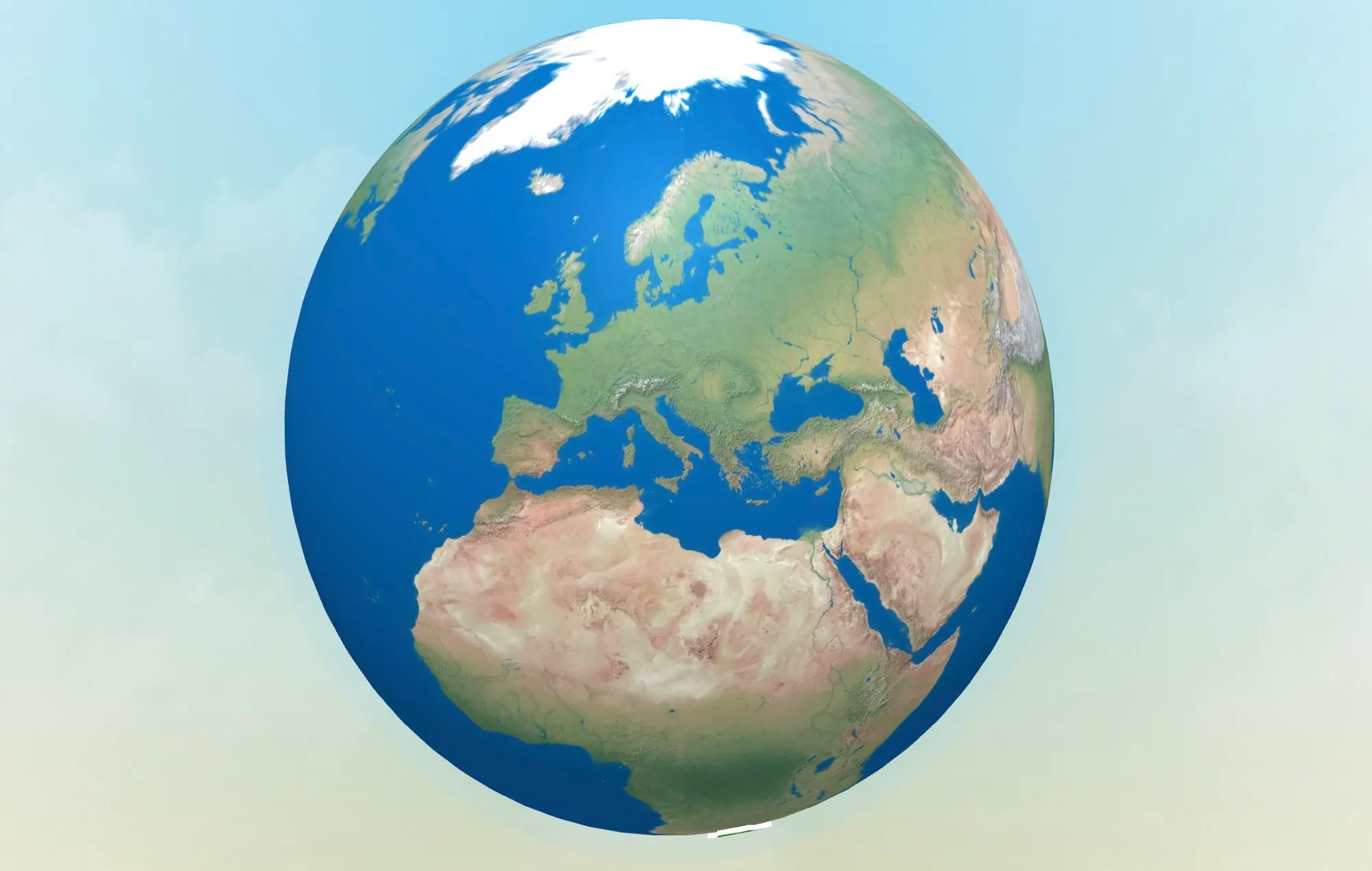
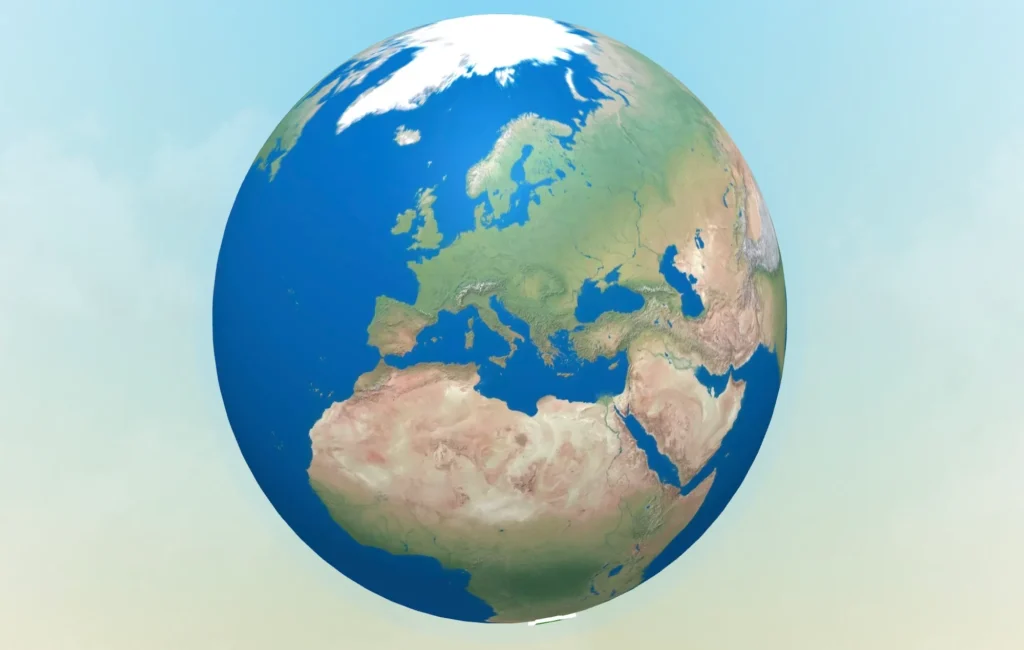
Globle is a captivating daily geography puzzle that challenges players to identify a mystery country using an innovative color-coded distance system. Rather than traditional geography trivia, Globle uses an interactive 3D globe where your guesses are shaded based on their proximity to the target country.
The color gradient works like a temperature gauge. Cool, dark colors indicate you’re far from the answer, while warmer, lighter colors mean you’re getting close. This hot-and-cold feedback system creates an engaging geographical detective experience where each guess provides valuable information to narrow down your next attempt.
How to Play Globle
The mechanics are elegantly straightforward. Begin by guessing any country in the world. The globe immediately colors your guess based on its distance from the mystery country. The farther away you are, the darker and cooler the color appears. As you get closer, the shading transitions to warmer, lighter tones.
Unlike many puzzle games, Globle has no guess limit, which means you can take your time and use methodical reasoning rather than relying on lucky shots. The objective is to identify the target country in as few guesses as possible. The game resets at midnight, providing geography enthusiasts with a fresh challenge every single day.
Globle Hints for December 28, 2025
Ready for some helpful clues? These hints gradually reveal more specific information about today’s mystery country. Stop reading when you feel ready to make your guess!
Hint #1: Continental Location
Today’s country is located in Africa, specifically in the southern portion of the continent.
Hint #2: Landlocked Status
This is a landlocked country, meaning it has no direct access to the ocean. It’s bordered entirely by other nations.
Hint #3: Regional Neighbors
The country shares borders with several nations including South Africa, Botswana, Zambia, and Mozambique. If any of these countries are showing warm colors on your globe, you’re very close.
Hint #4: Size and Geography
This is a moderately large country in southern Africa, featuring diverse landscapes including highlands, lowlands, rivers, and one of the world’s most spectacular natural wonders.
Hint #5: Famous Landmark
The country is home to Victoria Falls, one of the largest and most famous waterfalls in the world, which it shares with its northern neighbor.
Hint #6: Historical Context
This nation was formerly known by a different name during the colonial era (Rhodesia) and gained independence in 1980 after a long liberation struggle.
Hint #7: Capital City
The capital and largest city is Harare, located in the northeastern part of the country. The nation also has a significant second city called Bulawayo.
Globle Answer for December 28, 2025
If you’re ready to see the answer or you’ve exhausted your strategic guessing, here it is:
The Globle answer for December 28, 2025 is Zimbabwe.
About Zimbabwe
Zimbabwe is a landlocked country in southern Africa, covering approximately 150,872 square miles. Despite having no ocean coastline, the nation is blessed with abundant natural resources, diverse wildlife, and some of Africa’s most stunning landscapes. The country’s strategic position in southern Africa has made it historically and economically significant throughout the region.
Geography and Climate
Zimbabwe’s terrain is remarkably varied, featuring a high central plateau called the Highveld that runs southwest to northeast through the country. This plateau, with elevations between 4,000 and 5,000 feet, gives way to the lower Middle Veld and eventually the Lower Veld in the river valleys.
The country’s most famous geographical feature is Victoria Falls on the Zambezi River, which forms the border with Zambia. Known locally as “Mosi-oa-Tunya” (The Smoke That Thunders), this massive waterfall is one of the Seven Natural Wonders of the World. During peak flow, over 500 million liters of water cascade over the falls every minute.
Zimbabwe experiences a tropical climate moderated by altitude. The rainy season runs from November to March, while the dry season spans April to October. Temperatures vary considerably by elevation, with the highlands enjoying a more temperate climate than the lower valleys.
The country is home to several major rivers including the Zambezi, Limpopo, Save, and Runde. Lake Kariba, one of the world’s largest man-made lakes, sits on the northern border with Zambia and was created by damming the Zambezi River.
History and Culture
Zimbabwe has a rich history stretching back millennia. The Kingdom of Great Zimbabwe, which flourished between the 11th and 15th centuries, left behind impressive stone ruins that demonstrate the architectural and organizational sophistication of the civilization. These ruins, now a UNESCO World Heritage Site, give the modern country its name.
The region came under British colonial control in the late 19th century, named Rhodesia after Cecil Rhodes. After decades of white minority rule and a protracted liberation struggle, Zimbabwe gained independence on April 18, 1980, with Robert Mugabe as its first prime minister.
Zimbabwe’s culture reflects a blend of indigenous traditions and colonial influences. The Shona and Ndebele people constitute the majority ethnic groups, each with distinct languages, customs, and artistic traditions. Zimbabwean stone sculpture has gained international recognition, and the country has a vibrant music scene featuring genres like mbira music and chimurenga.
Wildlife and Conservation
Zimbabwe is renowned for its wildlife and maintains several world-class national parks. Hwange National Park is the country’s largest nature reserve, home to one of Africa’s largest elephant populations. Mana Pools National Park offers exceptional game viewing along the Zambezi River, while Matobo National Park features unique rock formations and both black and white rhinos.
The country plays a crucial role in regional conservation efforts, though wildlife protection faces challenges from poaching and habitat loss. Zimbabwe’s elephant population is among Africa’s largest, and conservation of these and other species remains a priority.
Economy and Resources
Zimbabwe’s economy has historically been based on agriculture, mining, and tourism. The country produces tobacco, cotton, and various crops. Mining operations extract gold, platinum, diamonds, and other minerals. Victoria Falls and the country’s national parks attract tourists from around the world, though the sector has experienced fluctuations due to economic and political factors.
Strategic Tips for Playing Globle
Looking to improve your Globle solving skills? Try these effective strategies:
Start with continental identification: Your first few guesses should help you determine which continent holds the target country. Guessing countries from different continents quickly narrows the search area.
Use large countries as anchors: Big nations like Brazil, Australia, China, or South Africa make excellent reference points because they help you understand regional proximity quickly.
Watch color transitions carefully: When colors start warming up, focus your next guesses on countries in that specific region. The color feedback is your most valuable tool.
Know your regional geography: Understanding which countries are neighbors helps tremendously. If South Africa is warm and Botswana is warmer, think about what countries border both.
Consider geographical features: For southern Africa, remember which countries are landlocked versus coastal, which are large versus small, and how they’re positioned relative to each other.
Systematically eliminate regions: Once you know the general area, work through countries methodically rather than randomly guessing nations you can think of.
Learn from each puzzle: Every Globle game teaches you something about world geography. Pay attention to countries you didn’t know well and look them up afterward.
More Daily Puzzle Games
Completed today’s Globle and want more challenges? Check out these other daily games:
Geography Challenges
- Worldle for December 28, 2025 – Identify countries from their silhouettes
Word Puzzles
- Wordle 1653 for December 28, 2025 – Today’s five-letter word game
- Quordle for December 28, 2025 – Solve four words simultaneously
- NYT Strands for December 28, 2025 – Themed word connection challenge
Music Games
- Bandle for December 28, 2025 – Guess songs from individual instruments
Why Globle is Educational
Globle offers more than just entertainment—it’s an effective geography learning tool. The game’s color-coded feedback system teaches spatial reasoning and helps you build mental maps of different regions. Unlike rote memorization, you learn through exploration and discovery.
Each puzzle increases your familiarity with countries you might not have thought about before. When you guess a nation you’re unfamiliar with, curiosity often leads you to learn more about it. This organic learning process makes geography education feel natural rather than forced.
The game also helps you understand regional groupings and continental layouts. You naturally learn which countries are neighbors, which nations are landlocked, and how different regions of the world are organized. This contextual understanding is more valuable than isolated facts.
Regular Globle play gradually improves your mental map of the world. Countries that seemed obscure or confusing become familiar landmarks. You start recognizing patterns in how nations are positioned relative to each other, which enhances your overall geographic literacy.
Zimbabwe’s Significance in African Geography
Today’s answer highlights an important nation in southern Africa. Zimbabwe’s central position in the region, bordered by major countries like South Africa, Botswana, Zambia, and Mozambique, makes it geographically significant. Understanding where Zimbabwe sits helps you better grasp the layout of southern Africa as a whole.
The country’s landlocked status is worth noting—unlike many African nations with coastal access, Zimbabwe relies on its neighbors for ocean trade routes. This geographical reality has significantly influenced the nation’s history, economy, and international relations.
Zimbabwe also serves as a reminder of Africa’s colonial history and the continent’s relatively recent independence movements. Many African nations gained independence in the 1960s, while Zimbabwe achieved freedom in 1980, making it one of the last colonies on the continent to do so.
Final Thoughts
Today’s Globle featuring Zimbabwe provided a solid challenge, especially for players less familiar with southern African geography. The country’s landlocked position and its location surrounded by several other nations required strategic thinking and good knowledge of the region’s layout.
Zimbabwe’s stunning natural features, rich history, and important role in southern Africa make it a fascinating country to learn about. Whether you identified it quickly by targeting the southern Africa region or took a more circuitous route through the continent, we hope this puzzle enhanced your geographic knowledge.
Did you solve today’s Globle? How many guesses did it take? Each puzzle is an opportunity to explore our planet’s incredible diversity and learn something new about the countries that make up our world. Come back tomorrow for another geography challenge!
Happy guessing, and see you for tomorrow’s Globle challenge!