Building your dream home in Heartopia starts with one fundamental skill: knowing where to find what you need. Every furniture piece you craft, every upgrade you unlock, every decorative touch you add—they all trace back to resources scattered across the island.
Some materials practically throw themselves at you. Chop a few trees, break some rocks, and your inventory fills with basics. Other resources demand more effort—specific regions, daily rotations, or even special events. We’ve all experienced that frustrating moment: you’re one item short of completing your perfect room design, and suddenly you’re wandering aimlessly, hoping to stumble across whatever mysterious material your recipe demands.
This comprehensive guide eliminates that guesswork. Whether you’re just starting out with the beginner basics or you’re a veteran crafter hunting rare materials, you’ll find exact locations and collection strategies for every resource in the game.
For players on mobile, iOS, or PC via XD Town, resource gathering forms the foundation of your entire experience. Master this system and everything else flows naturally.
Crafting Materials: Building Your World
These fundamental resources power your furniture crafting and home construction. Understanding where each material spawns helps you plan efficient gathering routes rather than reactive searching.
Wood
Location: Forest area trees
Collection method: Chop any tree with your axe
Primary uses: Basic furniture (chairs, sofas, bookshelves, picture frames), starter decorative items
Wood represents your bread-and-butter crafting material. Early furniture recipes rely heavily on it, and you’ll burn through hundreds of pieces before transitioning to premium materials. The forest provides endless respawning trees, so stock up whenever you’re in the area. Efficient players establish regular logging routes through dense forest sections.
Branch
Location: Bushes scattered throughout the island
Collection method: Harvest any bush
Primary uses: Small decorative items, basic crafting components
Branches appear so commonly that you’ll collect them passively while pursuing other goals. They fill supporting roles in recipes—rarely the star ingredient but frequently required in small quantities. Don’t sell them for Gold; their crafting value far exceeds their merchant price.
Rare Timber
Location: Thick trees in the Suburb area between Plots 4–5; occasionally at Acorn General Store
Collection method: Chop thick-trunked trees (visually distinct from standard trees)
Primary uses: Premium furniture (farmhouse beds, vanity mirrors, high-end decor)
Once you start designing upscale interiors, Rare Timber becomes essential. The specific spawn zone between Plots 4–5 makes collection predictable—establish a route through the Suburbs and hit every thick tree you spot. When Acorn General Store stocks it, buy whatever’s available to supplement your chopping efforts.
Similar to how oak timber operates, Rare Timber gates access to better furniture designs.
Quality Timber
Location: East side of the island
Collection method: Chop specific trees (exact mechanics still being documented)
Primary uses: Mid-to-high tier crafting projects
The eastern island regions contain Quality Timber sources. While specific tree identification remains somewhat unclear, exploring the eastern zones and chopping distinctive-looking trees yields results. This material bridges the gap between basic Wood and premium Rare Timber.
Roaming Oak Timber
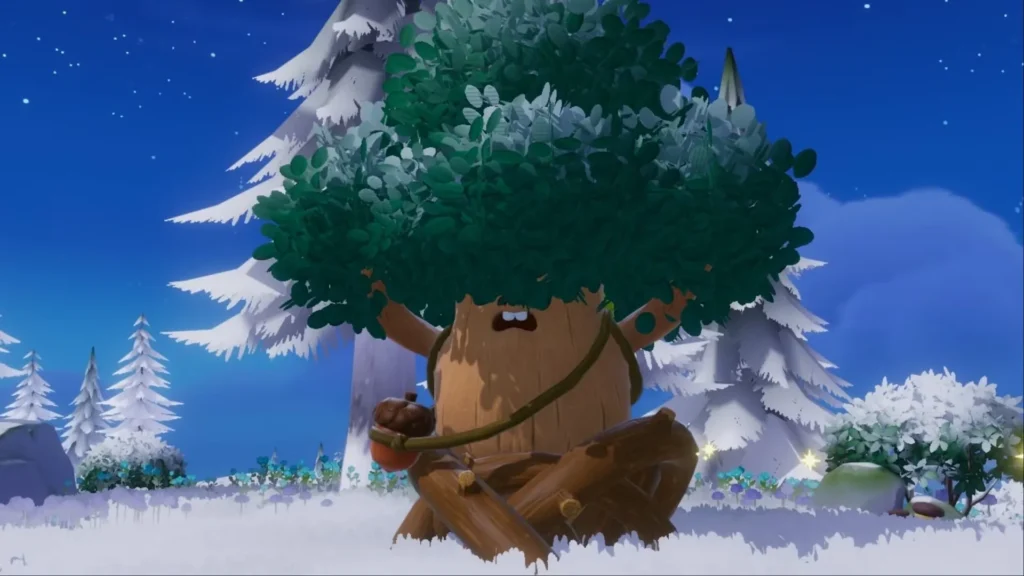
Location: Three random daily spawn locations; obtained from Oak-Oak after completing “Astralis in Forest”
Collection method: Find and interact with Oak-Oak
Daily limit: 3 pieces
Primary uses: Premium furniture, garden decorations, high-end crafting
Roaming Oak Timber follows a daily rotation system similar to Flawless Fluorite. Each day, Oak-Oak appears at three random spots across the island. Complete the prerequisite quest, then establish a daily routine of tracking down all three spawns. Check the detailed Roaming Oak Timber guide for spawn patterns and efficient farming strategies.
The daily limit means consistent collection matters more than intensive grinding sessions.
Black Walnut
Location: Northeast plains
Collection method: Chop Black Walnut trees (distinctive appearance)
Primary uses: Luxury furniture, high-end decorative items
Black Walnut trees grow exclusively in the northeast plains region. Their dark bark and unique leaf structure make them identifiable from distance. This material caters to players designing sophisticated interiors with rich, dark wood aesthetics. Stock up when visiting the northeast for other activities.
Bamboo
Location: Forest groves
Collection method: Harvest bamboo plants
Primary uses: Fences, Asian-style furniture, decorative pieces
Bamboo enables an entire aesthetic category. Players designing zen gardens, Asian-inspired rooms, or natural fence lines need substantial bamboo supplies. The forest groves contain concentrated clusters—harvest entire groves in single trips rather than collecting individual stalks scattered elsewhere.
Starfall Shard
Location: Meteorite Ore during Meteor Shower events
Collection method: Mine meteorite nodes when events occur
Primary uses: Advanced crafting, special event furniture
Starfall Shards represent limited-time resources tied to specific events. When Meteor Showers activate, drop everything and mine as many meteorite nodes as possible. These materials often craft exclusive furniture unavailable through standard recipes. Event-limited resources like this gain value over time as newer players lack access.
Stone
Location: Roadsides, near houses, forests, cliffs, fruit tree areas
Collection method: Break rock nodes
Primary uses: Foundations, pathways, garden fountains
Stone appears everywhere, making it one of the most accessible resources. You’ll trip over stone nodes while pursuing virtually any other activity. Despite its abundance, don’t underestimate consumption rates—building elaborate pathways or multiple fountains drains stockpiles quickly. Break every rock you see until your storage overflows.
Coal
Location: Cave ore nodes
Collection method: Mine with pickaxe
Primary uses: Furnace fuel for smelting and advanced crafting
Caves scattered across Heartopia contain ore nodes that yield Coal. This material rarely serves as a final crafting ingredient—instead, it powers the processes that transform raw materials into usable components. Maintain a healthy Coal reserve to avoid smelting bottlenecks. Regular cave expeditions while exploring the island keep supplies adequate.
Flawless Fluorite
Location: Daily rotating light-blue crystal rocks near home plots and roadsides
Collection method: Mine with pickaxe
Daily limit: 3 nodes
Primary uses: Premium decorative items, lighting furniture
Flawless Fluorite operates on a daily rotation similar to Roaming Oak Timber. Three nodes spawn each day in random locations, primarily near residential areas. The light blue glow makes them distinctive against surrounding terrain. Check the comprehensive Flawless Fluorite location guide for detailed farming strategies and spawn patterns.
Consistent daily collection builds stockpiles for ambitious lighting and decoration projects.
Foraged Plants and Mushrooms: Nature’s Bounty
Food ingredients and cooking resources come from foraging rather than crafting. Each plant and mushroom type grows in specific regions, creating natural farming routes for dedicated cooks.
Fruits: Apple, Mandarin, Blueberry, Raspberry
Location: Fruit trees near home plots and throughout the island
Collection method: Chop fruit-bearing trees
Primary uses: Cooking recipes, gifting to NPCs, energy restoration
Fruit trees grow abundantly near starting areas and residential zones. Each tree type produces specific fruits—Apples from apple trees, Mandarins from citrus trees, and so on. Chopping the trees yields both fruit and wood, making them efficient multi-resource nodes.
Fresh fruit restores energy during long work sessions and serves as affordable gifts for building NPC relationships. Certain recipes specifically call for fruit types, so maintain diverse stockpiles.
Shiitake
Location: Fishing Village area
Collection method: Forage mushroom spawns
Primary uses: Cooking ingredients
Shiitake mushrooms cluster in the Fishing Village, making them easily farmable if you’re already there catching fish. The area’s humid environment apparently suits mushroom growth. Some players report finding bizarre variants—rarer versions that command higher prices or unlock special recipes.
Button Mushroom
Location: Flower Field
Collection method: Forage mushroom spawns
Primary uses: Various cooking recipes
The cheerful Flower Field contains more than just pretty scenery—Button Mushrooms grow between the flowers. Their neutral flavor profile makes them versatile cooking ingredients appearing in numerous recipes. Combine Flower Field foraging with other activities like birdwatching for efficient time management.
Penny Bun
Location: Forest
Collection method: Forage mushroom spawns
Primary uses: Advanced cooking recipes
Penny Bun mushrooms prefer the forest environment where they grow among fallen leaves and tree roots. These heartier mushrooms unlock more sophisticated recipes once your cooking skills advance. The forest’s size means you’ll often discover Penny Buns while gathering wood or wheat crops.

Oyster Mushroom
Location: Onsen Mountain
Collection method: Forage mushroom spawns
Primary uses: High-value cooking recipes
Onsen Mountain’s unique climate produces Oyster Mushrooms—premium ingredients for valuable dishes. The mountain’s elevation and terrain make foraging here more challenging than lowland areas, but the recipe value justifies the effort. Combine mountain trips with other high-elevation activities to maximize efficiency.
Black Truffle
Location: Black mounds scattered across Forest Island
Collection method: Dig specific dark mounds
Primary uses: Premium recipes, high Gold value when sold
Black Truffles represent one of the game’s most valuable foraged items. These rare fungi grow beneath distinctive black mounds rather than appearing as surface spawns. Learn to recognize the mound appearance and you’ll spot them consistently. See the dedicated Black Truffle farming guide for spawn patterns and optimal collection routes.
Their dual value—premium cooking ingredient and high merchant price—makes them worth actively farming.
Matsutake
Location: Spirit Oak Pine Forest, hidden beneath trees
Collection method: Search under tree canopies
Primary uses: Rare special cooking recipes
Matsutake mushrooms claim the title of most elusive foraged ingredient. They hide beneath trees in the Spirit Oak Pine Forest, requiring careful searching rather than casual discovery. This rarity matches their recipe value—dishes requiring Matsutake typically provide exceptional benefits or sell for premium prices.
Patient foragers who thoroughly search the forest floor reap significant rewards.
Building Your Resource Empire
Successful Heartopia players don’t just know where materials spawn—they establish efficient collection routines. Create regular farming routes through regions containing multiple desired resources. Combine gathering with other activities: forage mushrooms while unlocking home plots, mine stone while exploring new areas, chop trees while completing quests.
The game rewards consistent, diversified resource collection over specialized grinding. Players who maintain balanced inventories never face project bottlenecks.
As the game evolves and late-game content expands, new materials will inevitably appear. This guide updates regularly to reflect discoveries. If you’ve found resources not listed here, they likely represent upcoming content or regional variants still being documented.
Beyond resource gathering, explore other game systems through guides on selling fish, changing appearance, and co-op gameplay. Don’t forget to redeem active codes for free resources that jumpstart your crafting journey.
Frequently Asked Questions
Which resources should I stockpile early in the game?
Focus on Wood, Stone, and Branches during your first week. These three materials appear in countless basic furniture recipes, and stockpiling them prevents constant gathering interruptions. Also collect any mushrooms you encounter while exploring—they’re lighter than raw materials and provide energy restoration when needed. Avoid selling basic materials to merchants; their crafting value far exceeds Gold prices early on.
How do daily-limited resources affect long-term planning?
Materials like Flawless Fluorite and Roaming Oak Timber (3 per day each) require consistent daily collection rather than marathon grinding sessions. Missing even a few days creates noticeable gaps in your premium crafting capability. Set reminders to collect these daily-limited resources right after server reset when spawns are fresh. Over time, this routine builds substantial reserves without feeling like intensive farming.
What’s the most efficient way to farm specific mushroom types?
Create regional foraging routes focused on mushroom habitats. For example, a Fishing Village route for Shiitake, a Flower Field loop for Button Mushrooms, and an Onsen Mountain climb for Oyster Mushrooms. Run these routes when you need specific ingredients rather than hoping for random encounters. Most mushrooms respawn regularly, so revisiting productive areas after completing other activities maintains steady supplies.
Should I sell rare materials for Gold or save them for crafting?
Almost always save rare materials for crafting unless you’re desperately short on Gold and have exhausted other money-making options. Items like Black Truffles and Rare Timber fetch good prices, but their crafting applications provide more long-term value. Instead, generate Gold through fishing, completing quests, or selling common foraged items that respawn quickly. Once you’ve crafted everything requiring a rare material, then consider selling surplus quantities.