If your inventory in Where Winds Meet is bursting at the seams, you’re definitely not alone. This game absolutely loves throwing gear at you—weapons, armor, accessories, you name it. With limited bag space, it’s easy to feel paralyzed about what to keep and what to toss.
Here’s the thing: hoarding old gear isn’t the play here. The game actually wants you to recycle your outdated equipment, and it rewards you for doing so. But recycling isn’t the only option—some old gear is worth putting into the Arsenal first for permanent stat bonuses. Let me walk you through exactly what you should be recycling, what goes into Arsenal, what’s worth keeping, and how to clean up that messy inventory without any regrets.
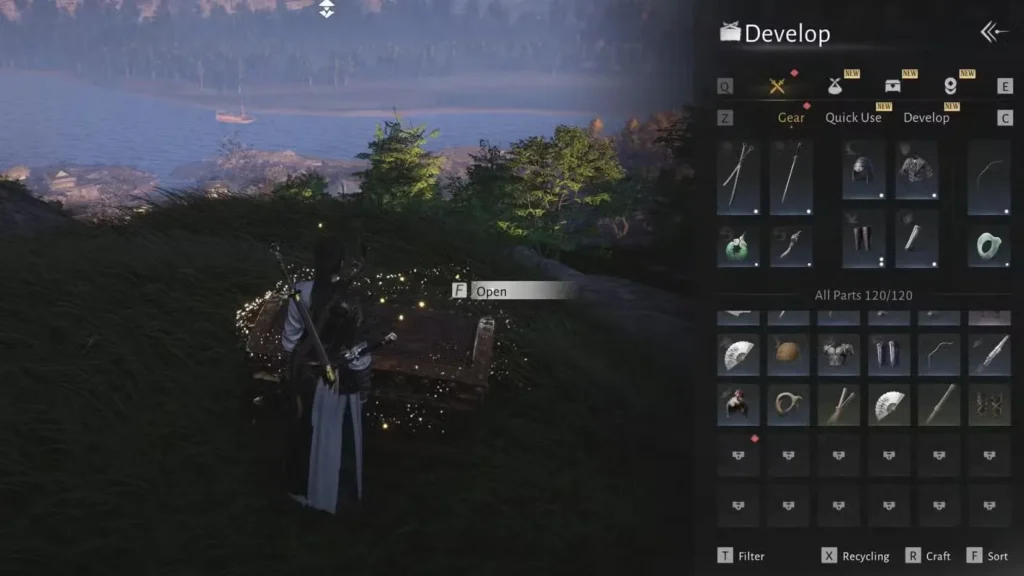
What To Do With Old Gear in Where Winds Meet
Once your bags start getting tight, the smartest move is to recycle anything that’s no longer pulling its weight—especially items below Level 41. Low-level gear can’t be used to tune up your higher-level equipment, so there’s really no point in hanging onto it.
Here’s what you need to know about recycling rewards:
- Low-tier items break down primarily into Gold Coins (useful for upgrading your current kit)
- Higher-tier gear (Level 41+) can additionally yield bonus materials like Large Tuning Stones, making them even more worthwhile to recycle once you’re done with them
Now, before you go on a recycling spree, there are two important exceptions:
- Set gear you’re actively using – If a piece belongs to a set you’re wearing, consider repairing it instead of scrapping it. Set effects (2-piece and 4-piece bonuses) can make a real difference in combat even if individual stats look underwhelming. Named armor sets like Formbend, Eaglerise, and Moonflare offer defensive bonuses; weapon/accessory sets like Jadeware and Hawkwing offer offensive ones. Don’t break a set bonus unless you’ve got something better to replace the whole thing.
- Items with tuning icons – Check the top-right corner of each gear piece. Items marked with a blue, purple, or gold tuning icon can be used to boost the tuning process on your equipped gear. Don’t recycle these blindly — they’re valuable resources for improving your best pieces.
Looking to optimize your character further? Check out our guide on how to increase Constitution and explore the best weapons and martial arts for your build.
The Arsenal: Deposit Before You Recycle
Once you hit Level 51, you unlock the Arsenal — a system that lets you deposit old gear to gain permanent character-wide Mastery bonuses instead of just Gold Coins. This is the most important piece of late-game inventory management that most players overlook.
When you register a piece of gear into Arsenal, it’s removed from your bag and contributes Mastery to one of three paths:
- General – Increases overall Physical Attack
- Bellstrike – Strengthens DPS-oriented builds
- Stonesplit – Boosts tank-style builds focused on soaking damage
These Mastery bonuses apply regardless of what you’re currently wearing, so every old piece you deposit makes your character permanently stronger. The Arsenal works on Level 41+ gear, and each Arsenal sheet is tied to a specific gear tier — making Level 41+ items doubly valuable before you recycle them.
The rule: Before recycling any Level 41+ gear, check if it should go into Arsenal first. Once an item is recycled, it’s gone forever — but Arsenal deposits are a one-way permanent upgrade.
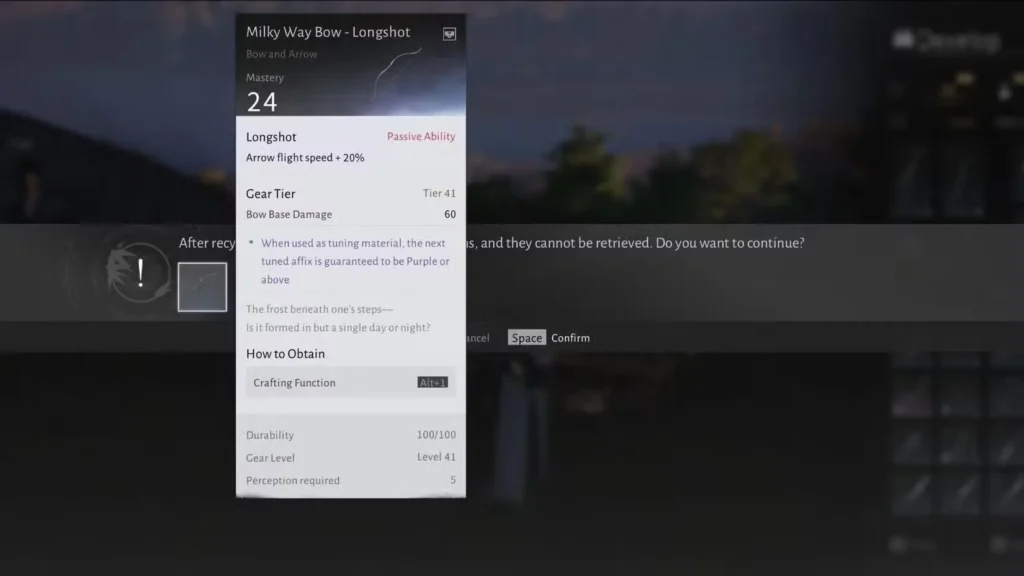
What Items Should You Actually Recycle?
Alright, let’s get specific. Here’s your recycling checklist:
Always Recycle:
- Green rarity items – These are common drops and lose value fast
- Duplicate pieces you don’t need for your Arsenal collection or active set
- Dungeon drops that don’t fit your current build, aren’t part of a set you’re using, and have no tuning icon
- Anything below Level 41 that isn’t part of an active set (low-level gear can’t tune higher-level items anyway)
Keep (or Arsenal First):
- Level 41+ gear — deposit into Arsenal before recycling
- High-rarity items (blue, purple, gold)
- Complete sets or pieces of sets you’re actively wearing
- Items with blue, purple, or gold tuning icons in the top-right corner
- Items with stats that specifically match your build
Never Recycle:
- “Traceable” antique items — a small category of gear tied to story content. The mass recycling interface hides these by default, but they can still be manually dismantled if you filter and select them individually. Avoid this unless you’re certain you’ve finished their related content.
The rule of thumb? If it’s low-level, common rarity, has no tuning icon, and doesn’t contribute to a set bonus — it’s recycling material. Don’t overthink it. You’ll get plenty more loot as you progress.
Want to know more about gear progression? Our martial arts level and gearscore guide and character stats breakdown have you covered.
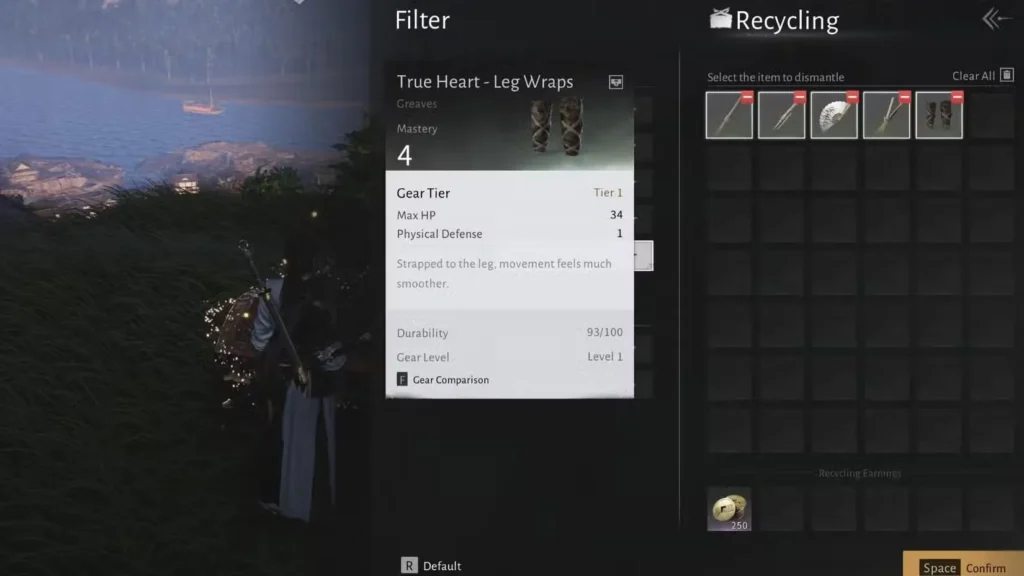
How to Recycle Old Gear in Where Winds Meet
The actual recycling process is super straightforward. Here’s the step-by-step:
- Press B to open your bag (or press ESC and select Bag from the menu)
- Navigate to the Gear tab (this shows all weapons, armor, and accessories)
- Press X to open the Recycling menu (quick shortcut)
- Select the items you want to dismantle—don’t worry, your currently equipped gear won’t show up here, so you can’t accidentally delete what you’re wearing
- Hit confirm and watch those items turn into resources
Pro Tip: Batch Recycling
If you’ve got a ton of junk to clear out, use batch recycling. This lets you select multiple items at once and recycle them all in one go. It’s a massive time-saver when you’re doing inventory cleanup.
Word of warning though: Batch mode doesn’t ask for confirmation. Once you hit that recycle button, those items are gone forever. No “are you sure?” prompt. So double-check your selections before you commit — and remember that batch mode may hide traceable antique items, but manually filtering can expose them.
Additional Tips for Managing Your Inventory
Beyond just recycling, here are a few extra pointers to keep your bags organized:
- Recycle after dungeon runs – The best time to clear out your bag is right after grinding Campaign Challenge or Hero’s Realm. Equip the new drops you want, Arsenal what qualifies, then recycle the rest in one session.
- Prioritize set pieces – Even if individual stats aren’t amazing, set bonuses can carry you through tough content. Never break a 4-piece set without a full replacement ready.
- Slot Enhancement carries over – Enhancement is applied to the gear slot itself, not the specific item. So when you equip a new piece, your existing slot enhancement still applies. There’s no need to hoard old pieces out of fear of losing enhancement investment.
- Save high-tier tuning materials – Large Tuning Stones from Level 41+ gear are valuable for pushing your endgame equipment to peak stats.
- Expand bag slots if needed – You can purchase additional inventory rows using Gold Coins. The cost increases with each expansion, so don’t expand blindly — regular recycling and Arsenal use should keep your bags manageable without spending coins on slots.
- Check before batch recycling – Seriously, there’s no undo button. One misclick on a purple item with a tuning icon is a painful lesson.
- Don’t hoard “just in case” – You’ll get more gear. Trust me, the loot never stops coming — and the Arsenal gives you a legitimate home for retired pieces.
For more inventory management help, check out our tips and tricks for beginners and learn about the daily and weekly activities that reward even more gear.
Frequently Asked Questions (FAQ)
Should I recycle or Arsenal my Level 41+ gear?
Arsenal it first, then recycle. Once you unlock Arsenal at Level 51, depositing Level 41+ gear gives you permanent Mastery bonuses across one of three paths (General, Bellstrike, or Stonesplit). Recycling only gives Gold Coins and possibly Large Tuning Stones. Always check if a piece qualifies for Arsenal before scrapping it.
What’s safe to recycle without hesitation?
Green rarity items, anything below Level 41 that’s not part of an active set, and duplicate pieces you won’t use for Arsenal or tuning. These are purely Gold Coin fodder with no secondary value.
What do the blue, purple, or gold icons on gear mean?
These tuning icons in the top-right corner of a gear piece indicate that the item can be used to boost the tuning process on your equipped gear. Items with these icons should not be recycled blindly — save them as tuning material for your best pieces.
Is there any gear I should never recycle?
Yes — traceable antique items tied to story content. The mass recycling interface hides these by default, but they can be manually selected and dismantled if you filter carefully. Avoid recycling them until you are certain you have finished their related content.
Can I undo a recycle if I accidentally dismantle something?
No. Recycling is permanent and irreversible. There is no confirmation screen in batch mode and no way to restore a recycled item. Always double-check your selections, especially when using batch recycling.
Should I ever repair old gear instead of recycling it?
Yes, if the gear is part of a set you’re actively using. Set bonuses — both 2-piece and 4-piece effects — can significantly impact combat. Repairing a set piece to maintain the bonus is often better than recycling it and breaking the set, even if the individual stats look weak.
Final Thoughts
Managing your inventory in Where Winds Meet doesn’t have to be stressful. Recycle low-level gear without hesitation, check for tuning icons before scrapping anything valuable, deposit Level 41+ pieces into Arsenal before recycling them, and keep your set pieces intact. With these guidelines, you’ll have a clean inventory and a steadily growing base of permanent stat bonuses — rather than just a pile of Gold Coins.
Now get out there and make some space in those bags—you’ve got loot to collect!
Related Guides:
- Where Winds Meet: All Sects and How to Join
- Best Early Builds and Weapon Combos
- How to Break Through Level Caps
- Complete Cooking Guide and Recipes
Available on Steam and PlayStation. Learn more about the game on Wikipedia.